Why Do Race Cars Do Formation Laps? Purpose, Rules and What Happens
A formation lap gives race cars time to check safety, warm their tyres and brakes, and take their correct grid positions before the start.
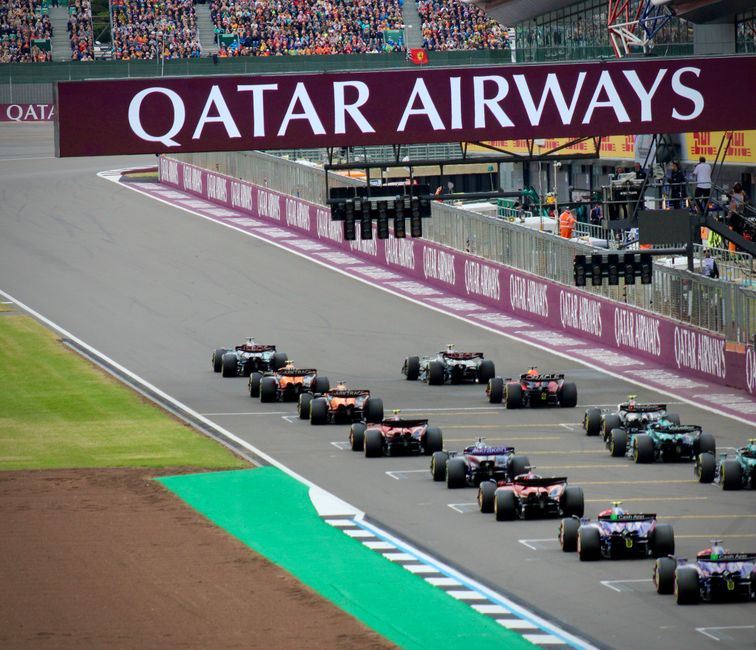
Race cars do formation laps to prepare for the start under controlled conditions. Drivers leave the grid, complete a slow lap behind the safety or medical car in some series, and return to their assigned starting positions. This allows officials to confirm that the track is clear while drivers check the car and prepare the tyres, brakes and engine for the race.
What is a formation lap?
A formation lap, also called a warm-up lap, parade lap or reconnaissance lap in some forms of motorsport, is the lap completed immediately before the race begins. It is not normally part of the race distance. Drivers must follow the starting procedure and usually maintain a controlled pace rather than racing one another.
The exact rules differ between Formula 1, sports cars, touring cars, motorcycle racing and national championships. In some series, cars follow a safety car until the starting grid is formed. In others, drivers are expected to keep their positions while managing their own speed. A driver who overtakes without permission, stops in the wrong place or causes a delay may face a penalty or be required to start from the pit lane.
Why do race cars do formation laps?
To check that the track is ready
The formation lap gives race control one final opportunity to identify problems before the competitive start. Officials can check for debris, standing water, stalled cars or unsafe conditions. Marshals may also clear an incident from the track or confirm that a driver who has reported a problem can continue.
If a car stops during the formation lap, the starting procedure may be interrupted. Depending on the regulations, the affected driver might be allowed to rejoin from the pit lane, while the race start is delayed or an additional formation lap is ordered.
To warm the tyres
Tyres provide less grip when they are below their intended operating range. Drivers use controlled weaving, braking and acceleration to put energy into the tyres. The permitted amount of movement depends on the championship and the tyre regulations. Excessive weaving can create a risk for nearby cars and may be prohibited.
Tyre preparation is a compromise. A driver wants enough temperature for grip at the start, but aggressive acceleration or braking can overheat a tyre surface or create uneven temperature across it. Weather, tyre compound, track temperature and the time spent behind other cars all affect the result.
To warm the brakes and other components
Race brakes also work differently when they are cold. Drivers apply firm braking several times during the lap to raise the temperature of the discs and pads. This helps make the first braking zone more predictable, although the brakes must not be overheated before the race has begun.
The lap also lets the driver confirm that the steering, throttle, gears, clutch and radio are functioning. Engineers can monitor temperatures, battery levels and other systems. A formation lap cannot replace a full mechanical inspection, but it can reveal a fault that was not visible while the car was stationary.
To place every car in the correct starting position
Cars leave the grid in their qualifying order or their position under the applicable sporting rules. The formation lap gives drivers time to form the correct order and return to their grid boxes. This matters because the starting grid determines the spacing between cars and helps officials judge false starts.
A driver who loses control or falls behind may need to catch the field carefully. The rules may require the driver to remain behind the last car, regain the assigned place before a specified point, or start from the pit lane. The consequence depends on the series regulations.
What happens during the start procedure?
Before the formation lap, cars are usually positioned on the grid while teams complete final checks. Once the command is given, the cars move away and circulate in formation. The field then returns to the grid, and officials check that the cars are stationary and correctly positioned.
The race starts after the championship’s approved signal sequence. In many car-racing series this involves lights going out, but some events use a rolling start. In a rolling start, cars continue in formation behind a pace or safety car and are released at a designated line or signal instead of beginning from a complete standstill.
A formation lap should therefore not be confused with a pace lap. The names are sometimes used interchangeably, but a pace lap often refers specifically to the controlled lap used before a rolling start. The sporting regulations determine the exact procedure.
Why do drivers weave and accelerate on the formation lap?
Visible weaving is mainly intended to prepare the tyres. Short bursts of acceleration can help bring the driven tyres and powertrain closer to their working range, while braking helps warm the brakes. Drivers also use the lap to assess grip, especially if rain has changed the track surface since qualifying.
These actions have limits. Weaving cannot create unlimited tyre temperature, and it may be less effective at low speed or in cold weather. A driver who accelerates too hard can spin, damage the tyres or lose the position in the starting order. Teams therefore balance preparation against the risk of making the car less consistent at the start.
What if a car has a problem on the formation lap?
A car that stops on the circuit can trigger a revised start procedure. Marshals may move the car to safety, while race control decides whether the field completes another formation lap. If a driver cannot reach the grid under the rules, the car may be sent to the pit lane or withdrawn.
Mechanical trouble is not the only possible issue. A driver may report a puncture, an electrical warning, a damaged front wing or an abnormal engine temperature. The formation lap can also expose a poor tyre choice when rain begins or reveal that the track is more slippery than expected.
Teams must follow radio and pit-lane rules during this period. A pit stop can change the starting position or make a normal grid start impossible, depending on the championship. This is why the lap is both a preparation phase and a final operational check.
Common misconceptions about formation laps
They are not a practice lap
Drivers may learn something about grip during the lap, but they cannot normally use it as a full-speed practice run. Passing, stopping and aggressive driving are restricted. The primary purpose is to organise the start and prepare the car.
They do not always warm the tyres perfectly
Tyre temperature is influenced by compound, construction, weather, track surface and driving style. A short formation lap may leave the tyres below their preferred range, while heavy weaving may overwork them. The car is prepared for the expected conditions rather than guaranteed to be at an ideal temperature.
They are not identical in every racing series
Formula 1 formation lap rules are not automatically the same as those used in endurance racing, stock cars or club racing. Some events use a standing start, some use a rolling start, and some permit different procedures when a car fails to leave the grid. The event’s sporting code is the authority.
Frequently asked questions
Does the formation lap count toward the race distance?
Usually it does not count as a completed race lap. The regulations may still record the car’s movement or alter the number of laps if the start is delayed, so the specific championship rules apply.
Can race cars overtake during the formation lap?
Normally, drivers must keep their assigned order. Overtaking may be allowed only to recover a position under a defined rule, such as passing a car that has stopped or is unable to maintain the formation. Unauthorised overtaking can lead to a penalty.
Why are some formation laps completed behind a safety car?
A safety car controls the speed and spacing of the field. It is particularly useful for a rolling start, poor weather or a procedure that requires a consistent pace. Other series allow the drivers to circulate without a safety car.
Why do cars sometimes return to the pits instead of the grid?
A driver may return to the pit lane because of a mechanical issue, a puncture, a tyre change or a failure to occupy the correct grid position. The car can then be subject to a different starting procedure, and some regulations prevent it from starting alongside the cars on the main grid.