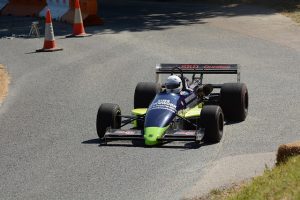
Difference Between Drafting and Slipstream: What Separates Them?
Drafting and slipstreaming both involve using reduced air resistance behind another moving vehicle or athlete, but the terms are not always used in exactly the same way. Learn how each works in cycling, motorsport and other racing situations.
The difference between drafting and slipstream is mostly a matter of terminology and emphasis. Both describe the advantage gained by following closely behind a rider, runner or vehicle, where the leader has already disturbed the air. The follower faces less aerodynamic resistance and can maintain speed with less effort.
In everyday sports coverage, drafting and slipstreaming are often treated as synonyms. There is a useful distinction, however: drafting usually describes the overall tactic or aerodynamic benefit, while slipstreaming focuses more specifically on travelling in the low-pressure wake behind the leader.
What drafting means in racing
Drafting is the practice of positioning behind another competitor to reduce air resistance. The rider or vehicle at the front pushes air aside and creates turbulent, lower-pressure air behind it. A follower in that area does not have to do as much work to move through the air.
The term is common in cycling, NASCAR, speed skating, motorcycle racing and running. In cycling, for example, a rider in the group can conserve energy by staying behind a teammate or rival. The saving depends on speed, body shape, distance and wind conditions, but it can be substantial compared with riding alone.
Drafting is not simply about sitting directly behind someone. A competitor must choose a position that balances aerodynamic benefit with visibility, control and the need to react if the leader brakes or changes direction. In a bicycle peloton, riders may move through a rotating pace line so that the work at the front is shared.
What slipstreaming means
Slipstreaming refers to following in the aerodynamic wake created by a moving object. The follower uses this disturbed air to reduce drag and may then move out of the wake with extra speed. In motorsport, this is often called getting a tow or using the slipstream.
The effect is particularly visible on long straights. A car behind another car may experience less drag while tucked in, allowing it to close the gap. If it pulls out at the right moment, the cleaner air can help it accelerate past the car in front. This is why slipstreaming is closely associated with overtaking in motor racing.
In cycling, a rider can also slipstream another rider, although commentators more often describe the situation as riding in the draft. In both cases, the underlying process is the same: the lead competitor absorbs much of the aerodynamic cost of moving through the air.
Drafting versus slipstreaming
| Term | Usual emphasis | Common examples |
|---|---|---|
| Drafting | The tactic of following another competitor to save energy or reduce drag | Cycling pelotons, speed skating, stock-car racing |
| Slipstreaming | Using the low-drag wake behind a moving competitor, often before an attack or overtake | Formula racing, motorcycle racing, cycling attacks |
The boundary is not strict. A cyclist riding behind a teammate is both drafting and slipstreaming. A racing driver following another car on a straight is also using a draft, even if the broadcast describes the move as a slipstream pass. The preferred word often depends on the sport and its commentary tradition.
Why the aerodynamic benefit happens
Air resistance rises sharply as speed increases, which makes aerodynamic positioning especially valuable in fast events. A leader creates a wake containing turbulent air and a pressure difference. The follower still encounters resistance, but usually less than a competitor travelling alone in undisturbed air.
The size of the benefit changes with several factors:
- Following distance: The closer the follower, the stronger the aerodynamic effect, although safety limits how close a competitor can ride or drive.
- Speed: Drafting becomes more valuable at higher speeds because aerodynamic drag accounts for more of the total resistance.
- Wind direction: A headwind can make the shelter behind a competitor especially useful, while a crosswind may shift the best position to one side.
- Vehicle or body shape: A large car, cyclist or motorcycle can create a different wake from a compact competitor.
- Track or road layout: A long straight offers more time to build a slipstream pass than a short section before a corner.
How the tactic changes across sports
Cycling
In road cycling, drafting is central to group tactics. Riders conserve energy in the peloton, protect a team leader and decide when to move into the wind. A breakaway rider loses much of that protection and must spend more energy riding alone. A late attack can use the draft before the attacking rider moves into clean air.
Motorsport
In car and motorcycle racing, slipstreaming is usually discussed in relation to acceleration and overtaking. A following vehicle may close the gap on a straight, then move out of the wake to pass. The move is not guaranteed: the leader may defend the inside line, the following car may lose front-end stability in turbulent air, and the approaching corner may limit the opportunity.
Running and speed skating
Runners and speed skaters can also benefit from following another competitor. The energy saving is often described as drafting rather than slipstreaming. Positioning matters because the follower needs enough shelter while avoiding contact and preserving a clear route for a finishing move.
Common misunderstandings about drafting and slipstream
The leader gets no benefit. The leader generally does more aerodynamic work, but leading can provide a clearer view, control over pace and tactical advantages. In team events, riders or drivers may deliberately take turns at the front.
A slipstream always makes overtaking easy. The wake can help a competitor close the distance, but passing still depends on acceleration, corner position, braking performance, traffic and timing. Turbulent air may also reduce stability when the follower moves through a corner.
Closer is always better. A smaller gap often increases the aerodynamic benefit, but it also reduces reaction time and increases the risk of contact. Safe positioning matters more than chasing the maximum theoretical drag reduction.
The terms describe completely different physics. They do not. The aerodynamic mechanism overlaps heavily. Drafting is usually the broader racing tactic; slipstreaming is a more specific description of using the wake, especially during a speed gain or pass.
FAQ about drafting and slipstreaming
Is drafting the same as slipstreaming?
Usually, yes in practical terms. Both involve following in the reduced-resistance air behind another moving competitor. Drafting often describes the energy-saving position or tactic, while slipstreaming often describes using the wake to gain speed and overtake.
Which term is more common in cycling?
“Drafting” and “riding in the draft” are more common in cycling. Commentators may still use “slipstream” when describing a rider accelerating behind another rider before moving into the wind.
Which term is more common in motorsport?
Motorsport coverage frequently uses “slipstream,” “draft” and “getting a tow.” “Slipstreaming” is especially common when a car or motorcycle uses the wake on a straight to attempt an overtake.
Does drafting save energy or increase speed?
It can do either. If the follower maintains the same pace, reduced drag means lower energy expenditure. If the follower uses that saved energy to accelerate or moves out of the wake, the draft can contribute to a higher speed.
The simplest answer to the difference between drafting and slipstream is that they describe overlapping effects from slightly different angles. Drafting is the broader tactic of following another competitor for aerodynamic assistance. Slipstreaming is using the wake created by that competitor, often to close a gap or make a pass.