Understeer vs Oversteer Difference: Causes, Feel and Corrections
Learn the practical difference between understeer and oversteer, how each condition feels from the driver’s seat, what causes it, and how to respond safely.
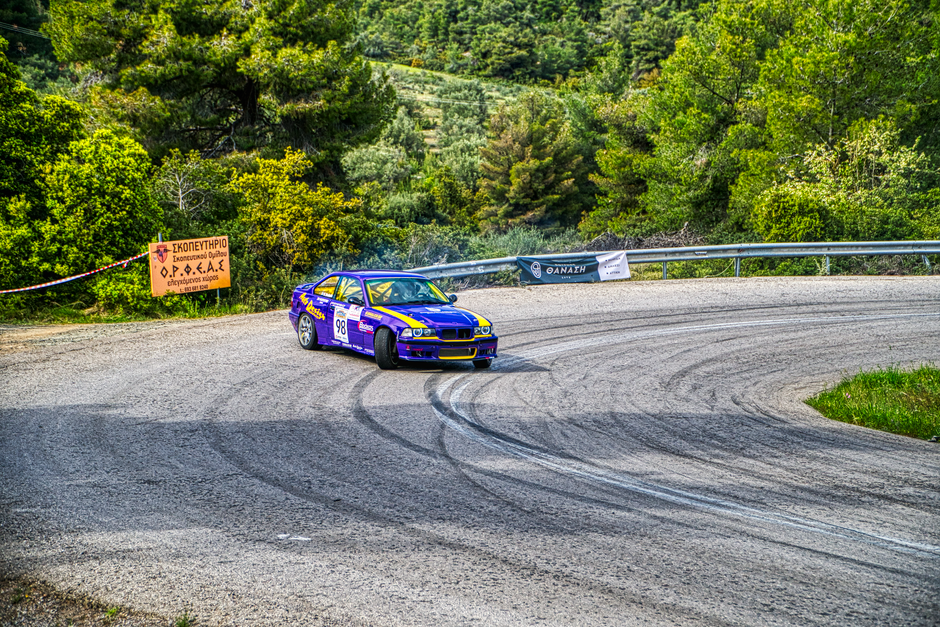
The understeer oversteer difference comes down to what the front and rear tyres are doing in a corner. With understeer, the front tyres lose grip first and the car turns less than the driver asks. With oversteer, the rear tyres lose grip first and the car rotates more than intended.
That simple definition is useful, but it does not tell the whole story. Throttle position, braking, steering input, tyre condition, suspension setup and road surface all affect how a car behaves. Understanding those factors helps you identify the problem early rather than reacting after the car has already moved beyond its normal line.
What is the difference between understeer and oversteer?
Understeer is often described as “the car turns less than you want.” You steer into a corner, but the nose pushes toward the outside of the bend. The steering may begin to feel lighter, and adding more steering usually does not solve the problem because it asks the overloaded front tyres to produce even more cornering force.
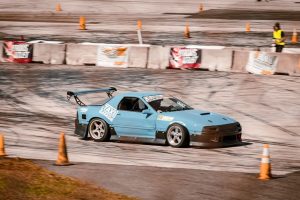
Oversteer is “the car turns more than you want.” The rear tyres lose lateral grip, causing the back of the car to move outward. The vehicle begins to rotate toward the inside of the corner. Depending on the speed and surface, this may feel like a small rear slip or a rapid spin.
| Feature | Understeer | Oversteer |
|---|---|---|
| First tyres to lose grip | Front tyres | Rear tyres |
| Main sensation | Front of the car pushes wide | Rear of the car steps out |
| Cornering line | Moves toward the outside | Rotates toward the inside |
| Common driver response | Too much steering | Sudden lift, braking or overcorrection |
How understeer develops
Front-wheel lock-up under braking, entering a corner too quickly or turning the steering wheel abruptly can all produce understeer. The front tyres must share their available grip between braking and cornering. If they are already heavily loaded by braking, there is less grip left for steering.
Understeer can also come from worn or incorrectly inflated front tyres, excessive front-end load, poor alignment or a suspension setup that does not suit the conditions. In a front-wheel-drive car, accelerating hard while cornering can make the front tyres manage steering and engine torque at the same time. That combination commonly causes the car to run wide.
The usual correction is to reduce the demand on the front tyres. Ease off the accelerator smoothly, avoid adding more steering, and allow the car to regain its intended line. If braking is necessary, make it progressive rather than stamping on the pedal. On a public road, the safest objective is to slow down and stay within the available space, not to recreate a racing-line correction.
How oversteer develops
Oversteer can occur when the rear tyres are unloaded or asked to provide more grip than they have. A sudden lift of the accelerator in a fast corner can transfer weight forward and reduce rear-axle grip. Heavy braking while turning can have a similar effect, particularly if the rear axle becomes light.
Excessive throttle can also cause power oversteer, most noticeably in rear-wheel-drive cars. Low-grip surfaces, mismatched tyres, cold rubber, standing water and abrupt steering changes make the rear more likely to slide. A tyre with the wrong pressure or a suspension fault can turn a predictable car into a difficult one.
If the rear begins to move outward, look toward the path you want the car to follow and make a measured steering correction in the direction of the slide. Reduce throttle smoothly rather than snapping fully off it. The correction must be controlled: too little steering may not stop the rotation, while too much can create a second slide in the opposite direction. These responses should be practised only in a suitable, instructor-led environment away from public traffic.
Which is safer: understeer or oversteer?
Manufacturers generally prefer mild understeer in road cars because it is easier for most drivers to recognise and manage. The car tends to continue toward the outside of the bend rather than rotating suddenly. That does not make understeer harmless; leaving the road or crossing into another lane remains a serious risk.
Oversteer can become more urgent because the vehicle’s direction changes quickly. However, neither condition is automatically caused by front-wheel drive or rear-wheel drive alone. Tyres, weight transfer, electronic stability control, road conditions and driver inputs matter more than the drivetrain label in many real situations.
Understeer and oversteer in racing setup
Drivers and engineers often discuss front-end grip, rear-end grip, corner entry and corner exit rather than treating understeer and oversteer as fixed characteristics. A car may understeer on turn-in, feel balanced at the apex and oversteer when power is applied on exit.
Changing tyre pressures, alignment, anti-roll bars, spring rates or differential settings can alter that balance. The best setup is not necessarily the one with the least understeer everywhere. A small, predictable balance change that suits the driver’s confidence and the circuit may be faster and safer than an aggressive setup with a narrow operating window.
Frequently asked questions about understeer and oversteer
How can I tell if a car is understeering?
The steering wheel is turned, but the front of the car drifts toward the outside of the corner. The vehicle feels reluctant to follow the intended line, and increasing steering input provides little improvement.
How can I tell if a car is oversteering?
The rear of the vehicle moves outward and the car points more sharply into the corner than expected. You may feel the steering become lighter or see the vehicle begin to rotate.
Does lifting off the throttle cause understeer or oversteer?
It depends on the car and the situation. A smooth lift can reduce front-tyre demand and help a front-wheel-drive car recover from understeer. A sudden lift in a fast corner can transfer weight forward and provoke lift-off oversteer, especially in a car with a light rear axle.
Can new tyres eliminate these handling problems?
Good tyres with correct pressures can improve grip and consistency, but they cannot overcome excessive speed, abrupt inputs or a mechanical fault. Check pressures, tread, age, alignment and suspension condition before treating handling balance as a setup preference.