Cornering Technique Racing: How to Carry More Speed Through Turns
Learn how racing drivers approach corners faster and more consistently through better braking, vision, line choice, throttle control, and track practice.
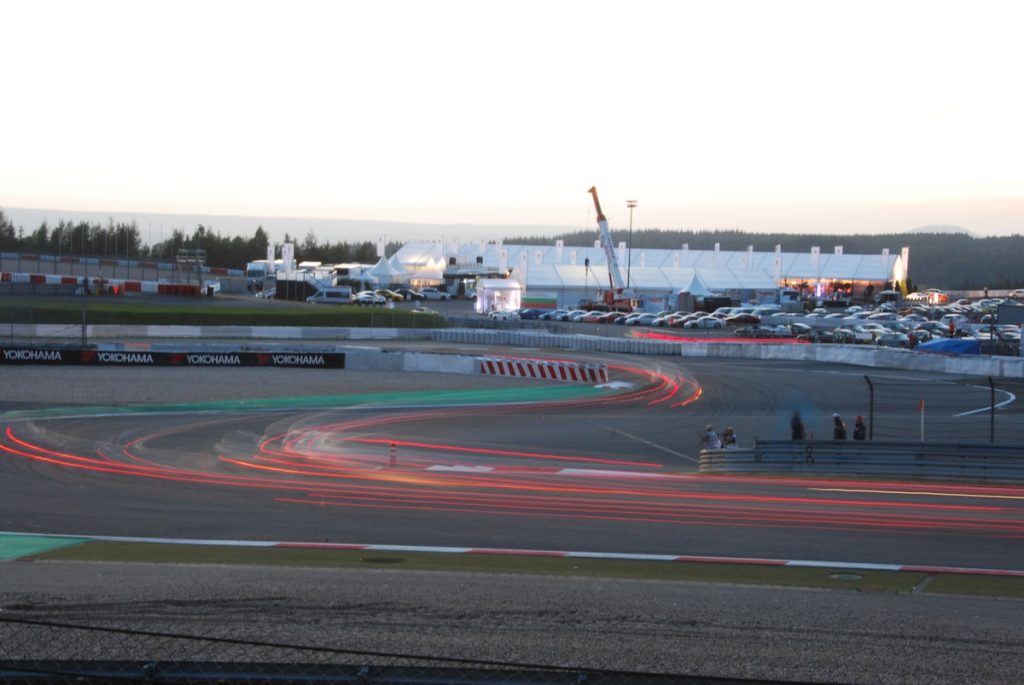
Fast cornering is less about turning the steering wheel harder and more about managing the car’s grip from braking to exit. Good racing cornering technique creates a stable platform, keeps the tyres within their available grip, and allows the driver to accelerate earlier. Practise these skills only on a closed circuit or properly supervised track, never on public roads.
Build the corner around braking and vision
The corner begins before the turn-in point. Finish most of the heavy braking in a straight line, where the tyres can use more grip for slowing the car. As you approach the corner, look toward the apex and then toward the exit rather than staring at the kerb immediately in front of the car. Your hands tend to follow your vision, so early sight of the exit helps produce smoother steering.
For many corners, a late apex is safer and faster than turning in too early. Brake in a straight line, release the brake progressively, turn toward a later clipping point, and leave the car positioned to open its steering on exit. This racing line gives you more room to use throttle and reduces the chance of running wide. A traditional geometric line can still work for a fast, open corner, but it is not automatically the quickest option.
- Braking point: Choose a reference such as a board, kerb change, or marshal post, then adjust it gradually.
- Turn-in point: Turn once, smoothly and decisively, instead of making several corrections.
- Apex: Aim for the point that supports the exit, not simply the point closest to the inside kerb.
- Exit: Let the car use the available track as the steering unwinds.
Use the tyres without overwhelming them
Every tyre has a limited amount of grip to divide between braking, turning, and acceleration. This is why trail braking can help a car rotate into a corner, but only when the brake release is smooth. Carrying too much brake pressure while adding steering can overload the front tyres, causing understeer. Releasing the brake too abruptly can unload the front axle and make the car reluctant to turn.
Throttle control matters just as much. Apply power progressively once the car is pointed toward the exit. In a rear-wheel-drive car, an aggressive throttle application can create oversteer; in a front-wheel-drive car, it can produce power understeer and widen the line. Four-wheel-drive cars may accept earlier acceleration, but they still cannot create grip that the tyres and surface do not have.
Keep steering inputs calm. A rapid turn followed by a correction usually means the entry speed, turn-in point, or visual reference was wrong. Smoothness is not slower by definition: it reduces tyre scrub and makes the car’s response easier to predict.
How to find more speed safely
Do not try to gain time everywhere at once. First drive a consistent reference lap, then change one variable: brake slightly later, release the brake more gradually, adjust the apex, or add throttle a little earlier. Compare the result using lap data, video, or a coach’s feedback. If the change improves one corner but compromises the next straight, it may not be faster overall.
Track conditions can change the correct approach. Cold tyres, rain, dust, rubber buildup, and fading brakes all alter the available grip. In the wet, seek smoother inputs and avoid painted kerbs or standing water where possible. The dry racing line may hold more rubber and become slippery, so a slightly different line can provide better traction.
Useful practice exercises include driving several laps while concentrating only on vision, then several laps focused on a progressive brake release. Another effective drill is to use a lower speed than usual and make the entire corner as smooth as possible. Once the line and controls are consistent, increase pace in small steps.
Common racing cornering mistakes
Turning in too early: The car reaches the inside kerb before the corner is finished, leaving no room to accelerate. Move the turn-in point later and target the exit.
Braking too late: A desperate stop often forces a wide entry and a slow exit. A slightly earlier, cleaner braking phase can produce a better lap time.
Looking at the obstacle: Fixating on the outside kerb or gravel can draw the car toward it. Keep moving your eyes through the corner.
Chasing minimum speed: Slowing too much at the apex feels safe but may sacrifice acceleration for a long distance. Evaluate the whole corner and following straight.
Making too many inputs: Repeated steering, brake, and throttle corrections disturb the car. Use clear references and make each input deliberate.
Frequently asked questions about cornering technique in racing
Should I brake before turning or trail brake into the corner?
Use firm braking before turn-in, then release the brake progressively if the car and corner suit trail braking. Start with a conservative release on a closed track and use coaching or data to check whether the technique improves rotation without causing front-tyre understeer.
Is a later apex always faster?
No. A late apex is especially useful when the corner leads onto a long straight or when an early turn-in would make the exit narrow. Faster, open corners may reward a more balanced line. The best apex is the one that supports the highest sustainable exit speed.
How can I corner faster without taking more risks?
Improve consistency first. Use fixed braking and turn-in references, look farther ahead, reduce steering corrections, and build speed gradually. A qualified instructor and circuit data can identify lost time more safely than repeatedly attacking the corner at the limit.