Prototype Racing vs GT: How Sports Prototypes Differ from GT3 Cars
Prototype racing vs GT is a comparison between purpose-built speed machines and production-based race cars. Learn how their design, performance, driving demands, costs, and race roles differ.
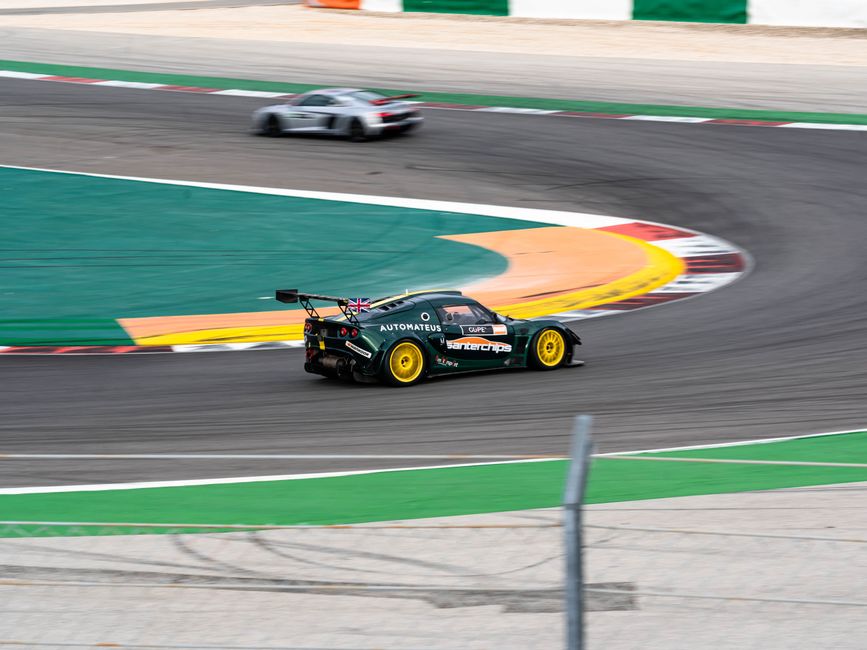
Put a sports prototype and a GT3 car on the same circuit and the difference appears before either reaches the first corner. The prototype looks like a racing machine because it is one from the ground up; the GT3 car still carries the shape and engineering identity of a road-going supercar.
That distinction explains much of the gap between them. Prototype racing is built around aerodynamic efficiency, low weight, and outright lap time. GT racing starts with a production model and transforms it into a reliable, closely regulated competition car. Both can produce spectacular racing, but they solve different engineering problems and reward different driving skills.
Prototype racing vs GT3: the fundamental difference
A sports prototype is designed solely for competition. It does not need to meet road-car packaging requirements, preserve a showroom shape, or share many components with a consumer vehicle. Its bodywork is shaped around airflow, its cockpit is compact, and its chassis is usually a dedicated racing structure.
GT3 cars, by contrast, are based on high-performance road cars. Manufacturers begin with models such as a two-door sports car or grand tourer, then add racing suspension, brakes, safety equipment, aerodynamic parts, and a competition-oriented interior. The finished car may look radically different in detail, but its proportions and identity remain connected to the road version.
That is why the phrase “prototype racing vs GT” is not simply a comparison of fast cars. It is a comparison of two design philosophies: unrestricted purpose-built efficiency against controlled adaptation of a production platform.
How the cars differ on track
Aerodynamics and cornering speed
Prototype cars generally have the greater aerodynamic advantage. Their enclosed wheels, low bodywork, tunnels, splitters, and rear wings can generate substantial downforce without needing to preserve the visual shape of a road car. This allows them to carry more speed through fast corners and change direction with less delay.
GT3 cars also produce significant downforce, but their performance is shaped by a production-based body and technical regulations. They tend to be heavier and less aerodynamically efficient than prototypes. In return, the cars often create closer visual racing, especially when different brands are balanced through performance adjustments.
Power, weight, and acceleration
The quickest prototype classes combine a lightweight chassis with sophisticated hybrid or combustion powertrains, depending on the championship and regulations. Their acceleration is only part of the advantage. Lower mass helps under braking, during direction changes, and when managing tyre wear over a long stint.
A GT3 car usually carries more weight and has less freedom in engine placement, bodywork, and suspension design. Performance balancing can adjust factors such as weight, power, ride height, or fuel capacity so that different models remain competitive. As a result, a GT3 comparison should focus on the regulated racing package rather than the horsepower figure of the related road car.
Braking and driver workload
Prototype drivers normally approach braking zones at higher speeds and deal with greater aerodynamic variation. The car can feel planted while carrying speed, then become more sensitive as it slows and downforce fades. Precise positioning matters because a small error can compromise an entire sequence of corners.
GT3 cars often demand more patience on corner entry. Their extra mass can make braking and rotation feel less immediate, while tyre temperature and traction management become central concerns. The driving challenge is not necessarily easier; it is expressed through a different balance between mechanical grip, braking stability, and throttle control.
Prototype racing and GT racing serve different purposes
Top-level prototype championships are usually built around endurance racing and overall victory. Teams may compete for the fastest combined performance across several classes, with pit strategy, traffic management, energy use, and driver changes shaping the result. A prototype has the pace to fight for the outright win when its reliability and strategy hold together.
GT3 racing places more emphasis on competition between recognizable manufacturers and private teams. The cars may share a grid with prototypes in endurance events, but they race within their own class. Multi-class traffic creates a demanding tactical environment: prototypes catch GT cars at speed, while GT drivers must defend their line without disrupting a faster car’s approach.
That interaction is one of the clearest differences between a sports prototype and a GT3 car. The prototype driver is often managing closing speeds and limited passing windows. The GT3 driver is balancing class position, tyre life, traffic, and the need to remain predictable around faster machinery.
Which is faster: a prototype or a GT3 car?
On most circuits, a modern top-class prototype is faster than a GT3 car over one lap. The advantage usually comes from lower weight, stronger aerodynamic performance, more advanced braking capability, and a powertrain designed specifically for racing.
The size of the gap depends on the circuit and the regulations. A track with long, fast corners rewards prototype downforce, while a slower layout can reduce the difference. Weather, tyre allocation, traffic, balance-of-performance rules, and driver experience also affect real race pace.
It is therefore misleading to compare only top speed. A GT3 car might record a strong terminal velocity on a straight, yet lose time under braking and through corners. Lap time is the combined result of acceleration, deceleration, aerodynamic load, tyre performance, and how consistently the car can maintain that pace.
Prototype vs GT3: cost, access, and racing appeal
Purpose-built prototypes are typically more complex and expensive to develop, operate, and maintain. Their aerodynamic systems, specialist chassis, power units, and electronics require high-level engineering support. The cost can rise sharply when a team competes for overall victories rather than simply entering a class.
GT3 has become one of the most widely used forms of international customer racing because manufacturers sell or support cars for professional and private teams. The category still requires a serious budget, but the established technical ecosystem makes it more accessible than the highest prototype levels. Parts supply, driver programmes, and shared endurance events have helped GT3 grow across regional and global championships.
For spectators, prototypes offer the fascination of pure racing technology and extreme lap-time performance. GT3 racing offers variety: different engine layouts, distinctive car silhouettes, contrasting tyre behaviour, and closer battles between brands. Neither is simply a faster or better version of the other.
Common questions about sports prototypes and GT3 cars
Are GT3 cars based on real road cars?
Yes. GT3 cars begin with production-based models, although the race version receives extensive changes to its chassis, suspension, brakes, aerodynamics, electronics, safety systems, and interior. It is more accurate to call a GT3 a heavily transformed racing version of a road car than a lightly modified showroom vehicle.
Can a GT3 car beat a prototype?
In normal dry conditions and equal-quality competition, a top prototype is usually quicker. A GT3 car can still beat a prototype in a race if the prototype suffers a mechanical problem, loses time in traffic, faces a penalty, or encounters conditions that change the performance balance.
Why do prototypes race alongside GT cars?
Endurance events often combine multiple classes to create a fuller grid and a more complex strategic contest. Each class has its own finishing order, while the fastest prototypes compete for the overall result. The mixed field also tests driver awareness, communication, timing, and traffic management over long distances.
Is prototype racing harder to drive than GT3?
Prototype cars generally demand higher-speed precision and greater sensitivity to aerodynamic changes. GT3 cars can be more physically demanding through their weight, longer braking phases, and need to manage tyres and traction. The difficulty is different rather than directly measurable on a single scale.
Prototype racing vs GT is ultimately a contrast between two kinds of motorsport. Prototypes pursue the most efficient route to speed, while GT3 cars bring production-car identity into a tightly controlled racing environment. Watching both together makes the distinction especially clear: one class attacks the circuit through downforce and efficiency, the other through balance, consistency, and close competition.