How Le Mans Works: The 24-Hour Race Explained
Learn how the 24 Hours of Le Mans works, including its classes, qualifying format, driver teams, pit stops, safety rules and how the winner is decided.
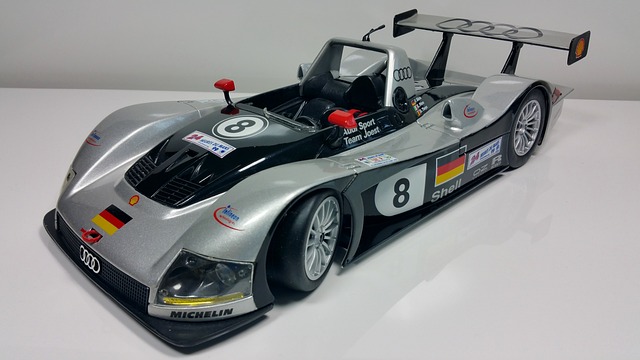
The 24 Hours of Le Mans is an endurance race in which several classes of cars compete on the Circuit de la Sarthe at the same time. The cars are not all built to the same specification, so each class has its own performance level and technical rules. The overall winner is the car that covers the greatest distance in 24 hours, while class winners are decided separately.
What is the Le Mans race format?
The race takes place on a long circuit made from permanent track and public roads near the French town of Le Mans. The current layout is roughly 13.6 kilometres long and includes high-speed sections, tight corners and the famous Mulsanne Straight. Drivers race through daylight, darkness and changing weather, which makes endurance and preparation as important as outright speed.
Each entry is shared by a team of drivers rather than one driver completing the whole event. Three drivers normally share one car, changing places during pit stops. Regulations limit how long a driver can remain behind the wheel and how much driving time each member of the crew must complete. These limits can vary by regulation, so teams plan their driver rotations around fuel, tyres, traffic and weather.
The race begins with a rolling start. After 24 hours, the chequered flag is shown at the end of the scheduled period, and the car that has completed the greatest distance wins the overall event. A car does not need to cross the line first in terms of a normal sprint-race finish if it has completed fewer laps or less distance. The final classification also depends on completing the required distance and meeting the sporting rules.
Which cars race at Le Mans?
The main Le Mans classes are designed to let different types of endurance cars compete in the same race:
- Hypercar: This is the top class and contains the cars eligible to fight for the overall victory. It includes cars built under the Le Mans Hypercar rules and cars produced under the related LMDh regulations. Performance balancing helps keep the different technical concepts competitive.
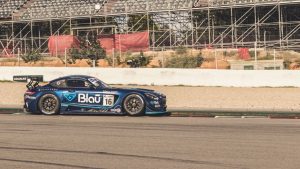
- LMGT3: These cars are based on production sports cars and use a more closely controlled set of technical rules. They are slower than the Hypercars but provide their own race for a class victory.
Although all classes share the circuit, they do not have identical pace. A Hypercar may catch an LMGT3 car quickly on a straight, while traffic can become difficult in corners. Drivers must pass safely without losing too much time, and slower cars must follow the rules governing blue flags and race conduct.
The class structure answers one of the most common questions about how Le Mans works: there can be more than one meaningful winner. The overall winner is the fastest car across the full field, but a team can also win its class by beating the other entries using the same category of machinery.
How does Le Mans qualifying work?
Qualifying sets the starting order and gives teams a chance to find a clear lap on a busy circuit. Practice sessions allow engineers to check reliability, fuel use, tyre behaviour and the car’s performance in both daylight and darkness.
The Le Mans qualifying format includes a main qualifying session and a final Hyperpole session for the fastest cars in each class. The quickest entries in Hyperpole earn the leading grid positions for their category. The exact number of cars advancing and the session format can change under the championship regulations, so the event timetable should be checked for a particular edition.
Unlike a short qualifying session in a sprint series, one perfect lap does not determine the result at Le Mans. A fast starting position is useful, but the race lasts an entire day and night. Reliability, traffic management and avoiding penalties usually matter more than a small difference in qualifying pace.
What happens during Le Mans pit stops?
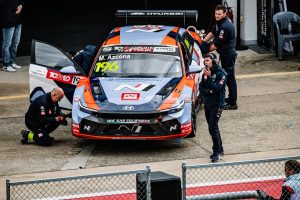
Pit stops are central to the Le Mans strategy. A team may need to refuel, change tyres, repair damage, clean the windscreen, adjust the car or replace a driver. The rules control which tasks can be performed at the same time, and those requirements can differ from one class or regulation set to another.
Teams do not always choose the shortest possible stop. A car may stay out for an extra lap to avoid stopping under an unfavourable safety period, or it may change tyres early because rain is arriving. Engineers compare fuel mileage, tyre wear, traffic and the condition of the car before deciding when to call the driver in.
Small problems can have large consequences over 24 hours. A loose body panel, damaged suspension, electrical issue or puncture may cost several laps. That is why the fastest car in the early stages is not necessarily the eventual Le Mans winner.
How do safety cars and weather affect the race?
Race control uses several procedures to protect drivers and marshals when there is an incident. A safety car can slow the field and control groups of cars, while other neutralisation procedures can reduce speed in specific parts of the circuit. These periods allow marshals to remove damaged cars, clear debris or deal with poor conditions.
Weather can make the 24 Hours of Le Mans particularly difficult because rain may affect only part of the circuit. A driver can encounter a dry surface at one end of the lap and standing water or reduced grip several minutes later. Teams must decide whether to use dry-weather tyres, wet-weather tyres or an intermediate option, depending on the available regulations and conditions.
Neutralisations can change the gaps between cars and alter the value of a pit stop. A team that was several laps behind may recover some track position, while a leader can lose much of its advantage. The result is still based on distance completed, but the route to that result can change repeatedly during the race.
How is the winner decided?
The overall winner is the eligible car classified first after the 24-hour period. In practical terms, that means it has completed the greatest number of laps or the greatest official distance, subject to the event’s classification rules. Class winners are determined in the same way within their respective categories.
A car must also satisfy technical and sporting requirements. It may be excluded, penalised or classified lower if it breaks a rule, fails a post-race inspection or does not meet minimum driving, running or distance requirements. Teams therefore need both speed and a clean, legal race.
The famous question of how many drivers race at Le Mans has a simple answer for most modern entries: three drivers normally share each car. Their combined performance, along with the work of engineers, mechanics and strategists, determines whether the car can survive the full distance.
Frequently asked questions about how Le Mans works
Is Le Mans a single race or several races?
It is one 24-hour race with multiple classes competing on the track together. The field has an overall classification and separate class classifications.
How long is one lap of Le Mans?
The Circuit de la Sarthe is approximately 13.6 kilometres long. Lap times vary by class, traffic, weather and track conditions.
Can one driver race for all 24 hours?
No. Driver-sharing and maximum driving-time rules require teams to rotate drivers. The exact limits depend on the regulations for that edition.
Why do slower cars compete with faster cars?
The multi-class format is part of endurance racing. Faster cars must overtake through traffic, while slower-class drivers must manage their pace and give space safely. This creates a race in which traffic and timing are major strategic factors.
What matters more at Le Mans: speed or reliability?
Both matter, but reliability is often decisive. A small pace advantage can disappear if a car suffers a mechanical failure, damage or a costly penalty. The strongest entries combine competitive lap times with consistent running for the entire 24 hours.