How Endurance Racing Driver Stints and Driver Changes Work
Learn how driver stints are planned, how driver changes happen during pit stops, and why fuel, tyres, regulations and traffic all affect endurance racing strategy.
Endurance racing driver stints are the periods a driver spends in the car between pit stops or driver changes. Unlike a short sprint race, an endurance event may require several drivers to share one car over many hours. The team must balance speed, fuel use, tyre life, driver fatigue and the regulations for the specific series.
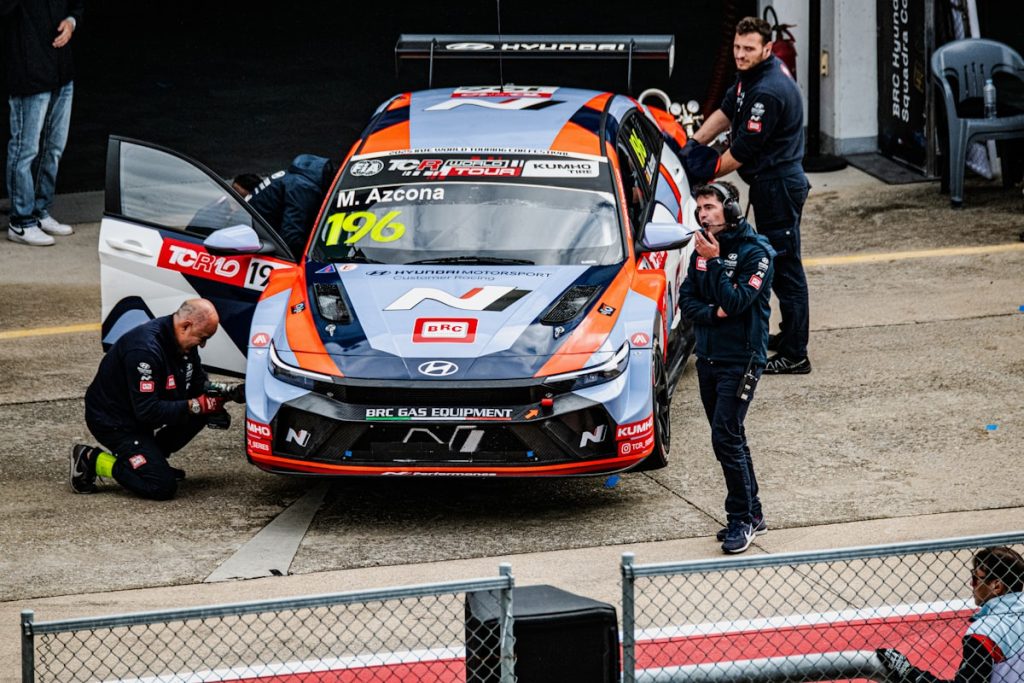
A driver change is not simply a handover from one person to another. It is a timed operation that can include refuelling, tyre replacement, adjustments to the seat or controls, cleaning the windscreen and repairing minor damage. The team chooses when to make the change based on both race rules and changing conditions.
What determines the length of an endurance racing stint?
The length of a stint depends first on the car’s fuel capacity and fuel consumption. A team may plan a fuel stint around the maximum distance possible before the next refuelling stop, but the actual distance can change if the car runs under a safety car or full-course caution. Reduced speed uses less fuel and may allow the car to stay out longer.
Tyre performance is another major factor. If the tyres lose grip before the fuel runs out, changing tyres may be necessary even if the driver could continue. In some championships, teams can use tyres for more than one stint, while other regulations or weather conditions make a fresh set the better choice.
Driver fatigue also affects the plan. A professional driver can maintain a high pace for a long period, but concentration and consistency become increasingly important as the race continues. Teams may use shorter stints for a driver who is struggling with heat, traffic or physical discomfort, even if a longer stint would appear faster on paper.
- Fuel strategy: determines when the car must stop to refuel.
- Tyre condition: shows whether the car can remain competitive on the current set.
- Driver limits: restrict how long a driver may drive under the sporting regulations.
- Track conditions: influence grip, tyre wear and the risk of rain.
- Traffic: can make a driver’s pace vary significantly, especially when different classes share the circuit.
How a driver change works during a pit stop
Before the stop, the team confirms which driver will take over and prepares the replacement driver’s equipment. The incoming driver may remove or loosen belts before the car arrives, but the exact procedure depends on the rules and the team’s safety practices.
Once the car reaches its pit box, the crew secures it and begins the permitted work. Refuelling, tyre changes and driver changes may have to happen in a prescribed order. The outgoing driver leaves the cockpit, and the next driver climbs in, connects the belts, adjusts the seating position and checks the radio and controls.
Small adjustments can save or lose valuable time. Teams may change the pedal position, steering wheel settings, drink bottle connection or seat insert. A driver who is much taller or shorter than the previous driver may need more preparation, so the crew practises the handover repeatedly before the race.
The stop is complete only when the driver is correctly secured and the car is released under safe conditions. A rushed belt connection or unsafe release can lead to a penalty, a failure to score, or a serious safety problem. Speed matters, but the pit crew cannot treat the driver change as a shortcut around safety procedures.
Why teams do not always change drivers at every stop
A fuel stop and a driver change are separate strategic decisions. If the outgoing driver is still fresh and the rules permit another stint, the team may refuel and continue with the same driver. This can reduce pit-lane time and avoid the extra seconds needed for a handover.
The opposite can also happen. A team may change drivers before the fuel tank is empty because a faster or less fatigued driver is better suited to the next phase of the race. The team might also use a pit stop to switch from a dry-weather driver to a driver with stronger wet-weather experience.
Stint planning becomes more complicated when several cars are fighting closely. Losing a few seconds during an early driver change may be worthwhile if it places a faster driver in the car for a long green-flag period. A team near the front may choose a conservative plan, while a team recovering from damage may take a more aggressive approach.
Driver rotation, regulations and race classes
Most endurance championships specify minimum or maximum driving times, maximum stint lengths, rest periods and the number of drivers allowed in each car. Some races also impose limits based on driver category, such as professional and amateur classifications. These rules prevent teams from gaining an unfair advantage by using one driver for almost the entire event.
The exact requirements vary between series and can change between races. A team must track each driver’s time precisely because a small violation can produce a penalty after the finish. Weather stoppages, safety-car periods and red flags can make the calculations harder.
Multi-class endurance racing adds another layer. A driver may spend a stint passing slower cars while also being passed by faster machinery. This affects tyre wear, fuel consumption and mental workload. A driver change may be timed to place a fresh driver in the car before a particularly busy section of the race.
Common mistakes in understanding driver stints
One common mistake is assuming that the fastest driver should complete the most laps. Endurance racing rewards a reliable average pace, not just a single quick lap. A driver who avoids track limits, contact and excessive tyre wear may deliver a better result over several hours.
Another mistake is judging a pit stop only by its duration. A longer stop may include essential repairs, a full tyre change or a driver who needs a different seat setup. A short stop may still be costly if the car leaves with worn tyres, an unsafe belt connection or a driver who cannot maintain pace.
It is also misleading to compare stint lengths without considering caution periods. A driver may complete many laps in a long stint when the circuit is under yellow flags, yet cover less distance than expected. Race analysts therefore compare time, fuel use, tyre condition and traffic as well as lap count.
How to read an endurance racing strategy
To understand a team’s plan, first check the driver stint time and the number of laps completed between stops. Then compare the pit-stop reason: refuelling, tyres, driver change, damage repair or a combination of these. Timing screens and race reports often show whether a car has gained track position through pace or through a different pit sequence.
Finally, look at the conditions. A team may extend a stint before rain, shorten it to change tyres, or keep an experienced driver in the car during a restart. The best endurance racing strategy is rarely fixed from the start; it changes as fuel, tyres, traffic, weather and regulations alter the value of every stop.