Endurance Racing Explained: How Long-Distance Motorsport Works
Endurance racing combines speed, reliability, driver teamwork and strategy over races that can last several hours or an entire day. Learn how the formats, classes, pit stops and tactics work.
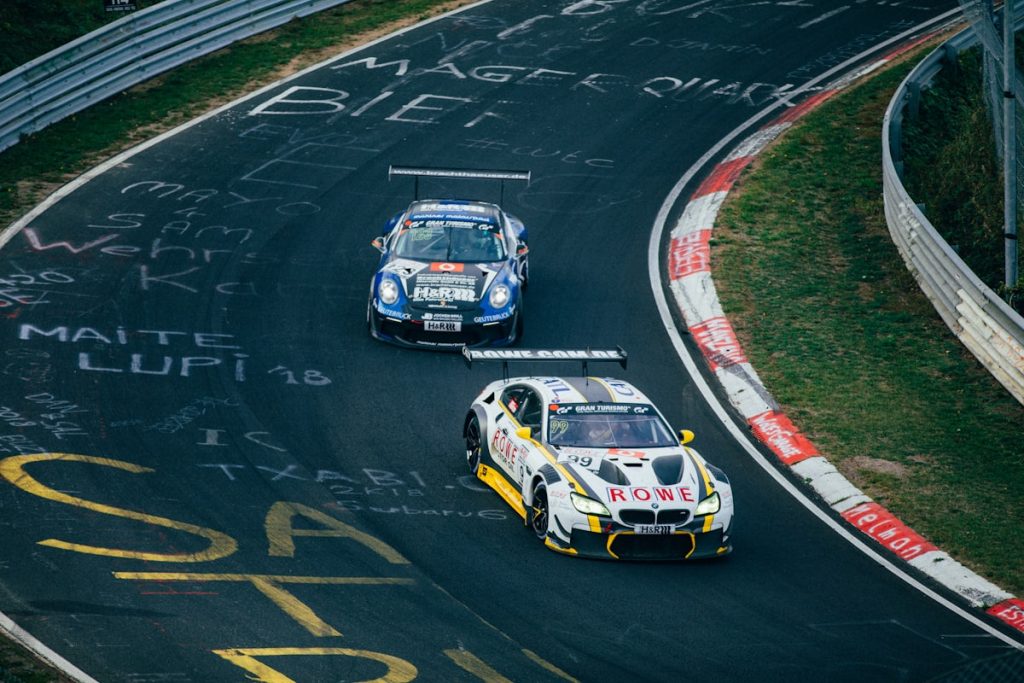
Endurance racing explained in simple terms: it is motorsport built around completing a long-distance race as quickly and consistently as possible, rather than winning a short burst of speed. Events may last four, six, eight, 12 or 24 hours, with some races covering a fixed distance instead of a fixed time.
That changes almost every decision. A car must be fast, but it also has to survive thousands of corners, repeated pit stops, changing weather, traffic and the physical demands placed on its drivers. The winning team is usually the one that loses the least time through mistakes, repairs and inefficient strategy.
What makes endurance racing different?
In a typical sprint race, one driver can often attack at maximum intensity from start to finish. Long-distance racing is less forgiving. Drivers share the car, equipment must remain reliable, and the team has to plan for conditions that may change dramatically during the event.
Most professional endurance races use multiple drivers per car. A driver completes a stint, returns to the pits, and hands over to a teammate during a scheduled stop. The exact number of drivers and the maximum time each person may spend driving depend on the championship and the event regulations.
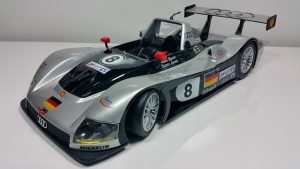
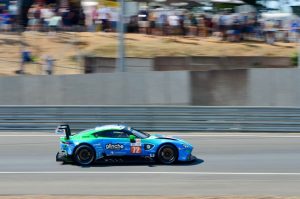
Endurance racing is also commonly contested by several classes at the same time. Faster prototype or top-level sports cars share the circuit with slower GT cars based on production models. This creates a race within a race: a GT driver may be fighting for a class victory while also managing traffic from cars that are much quicker in a straight line.
How an endurance race is won
Raw lap time still matters, but it is only one part of the result. Teams measure performance through several connected areas.
- Reliability: engines, transmissions, brakes, suspension and electronics must work for the entire distance. A small issue that costs 20 seconds repeatedly can become more damaging than a single slow lap.
- Stint pace: drivers need to maintain competitive lap times without abusing tyres, brakes or fuel. The quickest possible lap is not always the best race lap.
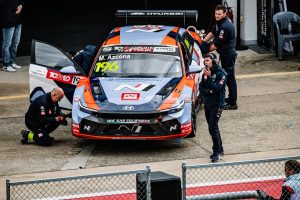
- Pit-stop efficiency: refuelling, tyre changes, driver changes and repairs must be coordinated precisely. Some stops take only a short time; others can decide the race.
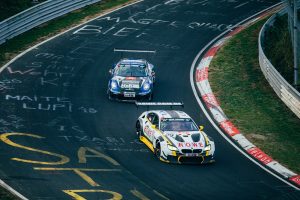
- Traffic management: a faster car must pass slower classes without losing control or damaging the car. Drivers also need to avoid being delayed by cars they are lapping.
- Weather decisions: rain can make tyre choice and timing more important than outright car speed. A team that changes tyres too early or too late may lose several minutes.
This is why a car that looks dominant early in a 24-hour race is not necessarily the eventual winner. Endurance competition rewards a complete operation, not just the fastest qualifying lap.
What happens during a 24-hour race?
A 24-hour race usually includes practice, qualifying and a long race divided into driving stints. The car continues running through daylight, darkness and, depending on the location, several weather systems. Teams work from a pit box while engineers monitor live data and communicate with the driver.
Driver changes are planned around fuel use, tyre wear and regulatory limits. A driver may complete several laps before returning to the pits, although the length of a stint varies with the circuit, fuel capacity, traffic and safety-car periods. In some situations, the team may keep the same driver in the car to save time; in others, a driver change is necessary for both regulations and fatigue management.
Night running is a major part of 24-hour racing. Visibility falls, reference points become harder to identify and slower cars can be difficult to judge. Physical fatigue also affects concentration. Strong teams prepare their drivers for these conditions rather than treating the night as simply a slower version of the day.
Endurance racing strategy: fuel, tyres and safety cars
Fuel strategy is based on how many laps a car can complete per tank and when the team expects a pit stop to be cheapest. A safety car or full-course caution can reduce the time lost in the pits, change the gap between competitors and bring a previously distant car back into contention.
Tyre choice is a constant compromise. Softer tyres may provide more grip and faster lap times but wear more quickly. Harder compounds may last longer and be safer over a double stint, especially on a hot track. Rain tyres add another layer of risk: fitting them before the circuit is wet wastes time, but waiting too long can cause a driver to lose control.
Teams also balance risk against position. An aggressive overtake may gain a place, but contact can cause bodywork damage or a puncture. In endurance motorsport, avoiding an unnecessary incident is often more valuable than forcing a move that offers only a small advantage.
Major endurance racing championships and events
The FIA World Endurance Championship is one of the best-known global series. Its calendar includes the 24 Hours of Le Mans, a landmark event that tests speed and reliability on a large circuit containing permanent track and public-road sections. The championship features multiple classes, including top-level prototype machinery and GT-based cars, depending on the regulations in force.
The IMSA WeatherTech SportsCar Championship is a major North American series with endurance events such as the Rolex 24 at Daytona and the Twelve Hours of Sebring. Other important competitions include the Nürburgring 24 Hours, the 24 Hours of Spa and the Asian Le Mans Series. Motorcycle endurance racing follows similar principles, although pit work includes rider changes and, in some events, motorcycle-specific servicing procedures.
Endurance racing vs sprint racing
The simplest difference between sprint racing and endurance racing is duration, but the deeper distinction is how performance is managed. Sprint racing places greater emphasis on qualifying position, immediate pace and short-term tyre performance. Endurance racing places more weight on consistency, mechanical sympathy, driver rotation and the ability to respond to problems.
That does not make endurance racing slow or passive. The front of the field can be separated by seconds after many hours, and drivers still compete intensely for position. The difference is that every attack has to be judged against the remaining distance and the potential cost of damage.
Frequently asked questions
How many drivers share an endurance racing car?
Usually two or three drivers share a car in major events, although the number depends on the championship, race length and regulations. Each driver must meet licensing and minimum driving-time requirements.
Do endurance racing cars drive continuously?
They generally remain on track throughout the race unless they are in the pits, stopped by an incident or unable to continue. Scheduled pit stops are part of the competition, not breaks from it.
Is endurance racing only for sports cars?
No. Sports-car endurance racing is the most widely recognised form, but endurance formats also exist for motorcycles, touring cars, karting and other types of racing. The shared principles are long duration, reliability and strategic management.
What is the hardest part of endurance racing?
The hardest part is maintaining competitive performance while conditions keep changing. Drivers must remain alert through traffic and darkness, while engineers and pit crews make decisions with incomplete information and little margin for error.