GT3 and TCR Difference: Cars, Speed, Cost and Racing Format
The GT3 and TCR difference goes beyond lap time. Compare their car designs, regulations, performance, running costs and the types of racing each class suits best.
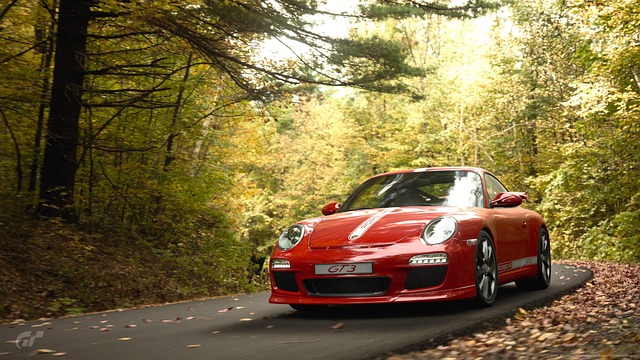
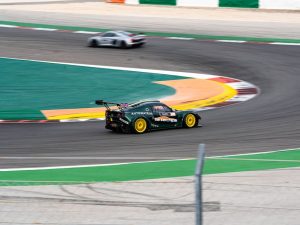
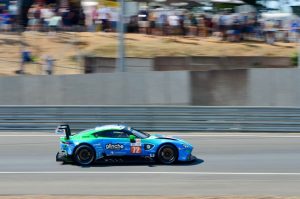
The main GT3 and TCR difference is that GT3 is a high-performance sports-car category, while TCR is built around front-wheel-drive touring cars derived from production hatchbacks and sedans. GT3 cars are generally faster, more sophisticated and considerably more expensive to run. TCR cars are usually cheaper, closer to familiar road cars and especially well suited to sprint touring-car racing.
That distinction affects almost everything: the engine layout, aerodynamics, tyres, driver aids, race strategy and the type of team that can operate a competitive car. Comparing the classes only by horsepower gives a misleading result.
What is the difference between GT3 and TCR cars?
GT3 cars are purpose-built racing versions of high-end sports cars. Depending on the model, the engine may sit at the front, in the middle or at the rear, and the car is normally rear-wheel drive or all-wheel drive. Large aerodynamic devices, wide tyres, powerful brakes and sophisticated suspension are central to the design.
TCR cars are based on production touring cars, commonly using front-wheel drive and a turbocharged four-cylinder engine of roughly two litres. They retain a recognisable road-car silhouette but receive a racing gearbox, strengthened suspension, a roll cage, racing brakes, aerodynamic changes and extensive weight reduction. The formula is deliberately designed to keep the cars relatively close in performance.
| Area | GT3 | TCR |
|---|---|---|
| Base vehicle | High-performance sports car | Production-based touring car |
| Typical drivetrain | Rear-wheel drive or all-wheel drive | Usually front-wheel drive |
| Engine character | Often larger or more powerful performance engines | Usually a turbocharged two-litre engine |
| Aerodynamics | More extensive and performance-focused | More restricted to control costs and parity |
| Typical race role | Sprint and endurance GT racing | Touring-car sprint and shorter endurance events |
| Operating cost | High | Lower than GT3, though still substantial |
Which is faster: GT3 or TCR?
GT3 cars are normally faster around a circuit. Their superior downforce, stronger braking performance, wider tyres and greater freedom in chassis design give them a clear advantage, particularly on fast corners and circuits with long straights. A GT3 car can also carry more speed through a corner without relying solely on engine power.
The exact GT3 versus TCR lap-time gap depends on the circuit, weather, tyre rules and balance-of-performance settings. A TCR car can look competitive on a tight track where corner exits, traffic and low-speed rotation matter more than outright aerodynamic performance. In a direct comparison on a conventional race circuit, however, GT3 is usually the quicker class.
Horsepower is not the whole story. A TCR car may have a respectable power-to-weight ratio, but its front-wheel-drive layout can create traction and front-tyre wear challenges. GT3 cars generally benefit from a more suitable drivetrain for putting power down, as well as more advanced aerodynamic grip.
GT3 and TCR regulations compared
Both categories use balance-of-performance systems to prevent one manufacturer or car concept from dominating purely through engineering resources. Officials can adjust factors such as minimum weight, engine power, turbo boost, fuel capacity or ride height. This means published technical figures should be treated as a snapshot rather than a permanent class definition.
GT3 regulations place greater emphasis on managing a wide variety of sports-car designs. A front-engined car, a mid-engined car and an all-wheel-drive car do not naturally perform in the same way, so the technical rules must account for those differences.
TCR regulations are more tightly focused on a common touring-car concept. The cars tend to share a similar front-wheel-drive layout and turbocharged engine format, which helps control development costs. The class still uses balance-of-performance measures, but its narrower design window makes the cars easier to compare and operate.
GT3 versus TCR: cost and accessibility
GT3 racing is usually the more expensive choice. The cars cost more to purchase, their consumable parts are costly, and teams need greater engineering capacity to manage tyres, aerodynamics, data and endurance-race preparation. Damage to a carbon-fibre body or aerodynamic component can also create a large repair bill.
TCR is intended to provide a more accessible route into professional touring-car competition. The cars are less complex, their parts are generally easier to source, and the performance window is more manageable for smaller teams. That does not make TCR inexpensive: transport, staff, tyres, entry fees, testing and accident damage still add up quickly.
For a private driver choosing a race car, the purchase price is only one part of the decision. Parts availability, manufacturer support, local championship rules and the number of cars competing in the target series may matter more than the headline specification.
Which class offers closer racing?
TCR often produces close, physical racing because the cars have similar performance and rely heavily on mechanical grip. Drivers spend more time fighting for position in braking zones and through linked corners. Front-wheel-drive behaviour also rewards careful management of the front tyres; an aggressive first lap can make the final stages much harder.
GT3 racing can be equally competitive, but its races often involve a wider mix of strategies. Tyre choices, pit stops, driver changes, traffic management and the interaction between different classes can be decisive. Endurance events add another layer, with reliability and consistency sometimes outweighing a small advantage in qualifying speed.
GT3 cars may also use systems such as traction control and anti-lock brakes under the relevant regulations. These aids do not make the cars easy to drive. They allow engineers to manage a very high performance level, while drivers still need to control braking, tyre temperature, kerbs and changing grip over a long stint.
Is GT3 or TCR better for a driver?
Neither class is universally better. GT3 is the stronger fit for a driver targeting high-level GT competition, endurance racing or a car with substantial aerodynamic performance. It rewards precision at high speed and the ability to work closely with engineers on setup and tyre behaviour.
TCR can be the more practical choice for drivers who want close touring-car battles, lower operating costs or a platform that behaves more like a road-derived front-wheel-drive car. It is also a useful environment for learning racecraft because positioning, defensive driving and momentum conservation have a large effect on the result.
The best option depends on the championship rather than the badge on the car. A well-supported TCR programme in a strong field can provide better racing and development than an underfunded GT3 entry. Before choosing, examine the local calendar, tyre allocation, testing rules, technical support and likely grid size.
GT3 and TCR difference: quick answers
Are GT3 cars faster than TCR cars?
Usually, yes. GT3 cars normally produce more aerodynamic grip, brake later and carry more speed through fast corners. Circuit layout and balance-of-performance rules can narrow the gap, but TCR is generally the slower category.
Are TCR cars cheaper than GT3 cars?
Yes, in most cases. TCR cars are designed around a more controlled technical formula and simpler operating requirements. Running a TCR team still requires a serious budget, especially once tyres, personnel, travel and crash repairs are included.
Do GT3 and TCR race together?
They can appear at the same meeting, but they are normally separate classes or separate races. Some endurance events place different categories on the same track, where traffic management becomes an important part of the competition.
Which is better for endurance racing?
GT3 has the stronger association with major endurance racing and is normally the more capable platform for long-distance events. TCR can also compete in endurance formats, particularly where organisers want lower-cost touring-car entries and close multi-class competition.