Motorsport for Beginners: How Racing Works
Learn how motorsport is structured, how races are won, what the flags mean, and how to follow a racing series without getting lost in the jargon.
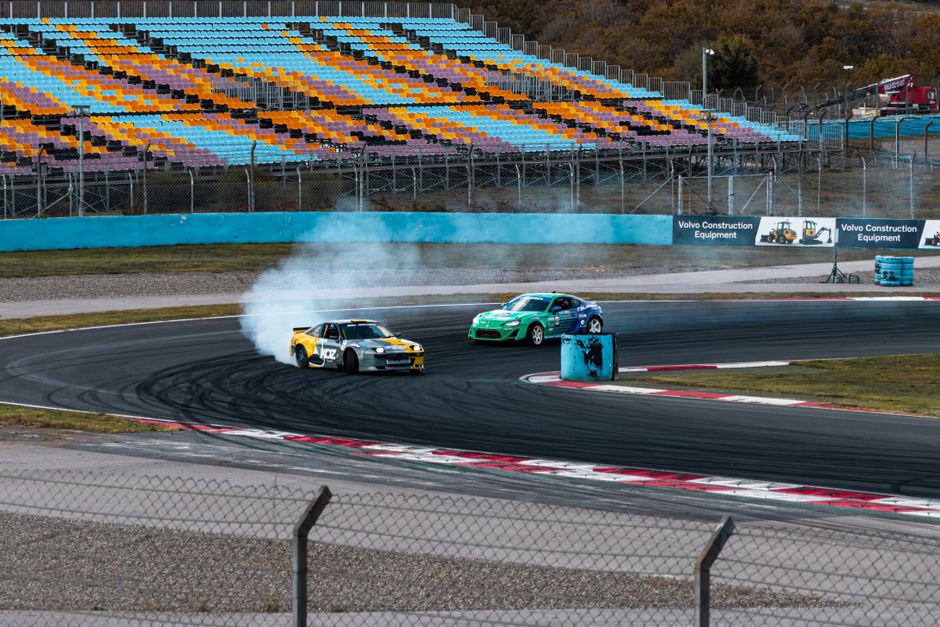
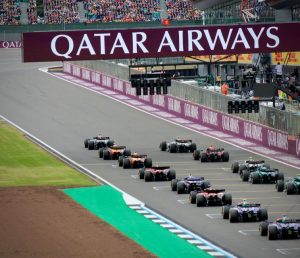
Motorsport is not one single sport. It is a broad group of competitions in which drivers and teams race vehicles under a defined set of sporting and technical rules. Formula racing, rallying, touring cars, endurance racing, motorcycle racing, karting, and off-road events can look very different, but they all combine speed, strategy, vehicle preparation, and driver skill.
For a new fan, the hardest part is usually not understanding who crosses the finish line first. It is working out why cars have different designs, how qualifying affects the race, what pit stops achieve, and why a driver can finish first on the road but lose the result after penalties.
What motorsport is designed to test
Every championship sets its own balance between machinery and human performance. Some series use nearly identical cars to place greater emphasis on driver ability. Others allow teams to develop engines, aerodynamics, suspension, or software within technical limits. This is why comparing results across different categories is misleading: a successful rally driver, endurance racer, and single-seater driver may be solving completely different problems.
A race normally tests several abilities at once:
- Vehicle control: The driver must brake, turn, accelerate, and manage grip at the limit without making costly mistakes.
- Race strategy: Teams decide when to pit, which tyres to use, how aggressively to attack, and how to respond to changing conditions.
- Consistency: A driver needs to repeat competitive laps while protecting tyres, fuel, brakes, and the car itself.
- Adaptability: Traffic, rain, safety cars, mechanical problems, and changing track temperatures can alter the plan within seconds.
- Technical execution: Engineers and mechanics prepare the vehicle, interpret data, and make decisions during the event.
The winner is therefore not always the driver who produces the fastest single lap. In a long race, the strongest result usually belongs to the driver-team combination that loses the least time while staying within the rules.
How a motorsport race weekend works
Most racing series divide competition into several sessions rather than sending every car straight into one final race. The exact format varies, but a typical weekend includes practice, qualifying, and a race or several races.
Practice and preparation
Practice sessions allow teams to learn how the car behaves on that circuit. Drivers work on braking points, corner speeds, tyre use, and setup changes. Engineers compare data from different aerodynamic settings, suspension adjustments, and tyre compounds. Practice times can be useful, but they are not always a reliable prediction of the race because teams may use different fuel loads or engine settings.
Qualifying and grid position
Qualifying determines where competitors start. In many forms of motorsport for beginners, the simplest rule to remember is that a faster qualifying performance normally places a driver closer to the front of the grid. Starting near the front reduces the amount of traffic and can make strategy easier, although it does not guarantee victory.
Some championships use knockout qualifying, where the slowest drivers are eliminated in stages. Others use a timed session, a qualifying race, or a combination of heats and finals. A grid penalty may move a driver away from the qualifying position because of an engine change, technical infringement, or sporting offence.
The race
At the start, drivers compete for position while managing cold tyres, limited space, and the risk of contact. Once the opening laps settle, the race becomes a sequence of decisions. A driver may attack immediately, preserve tyres, follow another car closely to use its aerodynamic tow, or wait for a pit-stop opportunity.
Race length can be measured by laps, distance, or time. Sprint events are shorter and often leave less room for recovery after a mistake. Endurance races may last several hours or more, requiring driver changes, fuel calculations, repairs, and careful traffic management.
Tyres, pit stops, and race strategy
Tyres are one of the clearest reasons that racing is more complicated than simply driving as fast as possible. Softer tyres can provide more grip but may wear quickly. Harder tyres generally last longer but can be slower or more difficult to bring up to operating temperature. The best choice depends on the circuit, weather, car setup, and expected race distance.
A motorsport race strategy may include one or more planned pit stops. During a stop, a team might change tyres, refuel where regulations permit, repair damage, or change drivers. A stop costs time, so the team must decide whether the performance gained from fresh tyres is worth the delay.
Strategy also changes in response to events. A crash may bring out a safety car, reducing the gap between competitors and making a pit stop less expensive in relative terms. Rain can make a dry-tyre strategy unusable within minutes. A team may also use an early stop to place a driver in clear air or to force a rival to react.
Understanding the cars and the main types of racing
Knowing the basic categories makes motorsport easier to follow. The vehicles are built for different surfaces, speeds, and competitive goals.
- Single-seater racing: Open-wheel cars are designed around aerodynamic performance and precise circuit driving. Formula championships are the best-known example.
- Sports car and endurance racing: Closed-cockpit prototypes and production-based cars compete over long distances. Multiple drivers may share one car, and different classes can race at the same time.
- Touring and stock car racing: Cars based more closely on road-going or recognisable body shapes compete on circuits or oval tracks, often with close drafting and frequent position changes.
- Rallying: Drivers race on timed stages over gravel, asphalt, snow, or mixed surfaces. A co-driver reads pace notes while the driver reacts to roads they may not have seen at racing speed.
- Karting: Lightweight karts provide close racing and are a common starting point for drivers who later enter cars.
- Off-road and motocross competition: Vehicles or motorcycles race on dirt, jumps, rough terrain, or natural surfaces where traction changes constantly.
Downforce, grip, braking performance, acceleration, and top speed matter differently in each category. A track with long straights rewards efficiency and power, while a tight circuit may favour braking stability and cornering grip.
Flags, penalties, and official results
Race officials use flags and timing systems to communicate quickly with drivers. A yellow flag normally signals danger and requires drivers to slow down without overtaking in the affected area. A red flag stops the session because conditions are unsafe or the track needs major attention. A blue flag may tell a slower car to allow a faster competitor through, depending on the series rules.
A safety car or virtual safety-car period controls the field after an incident. This protects marshals and drivers while reducing racing speed. It can also change the result because gaps shrink and pit-stop timing becomes more valuable.
Penalties can be issued for incidents such as forcing another car off the track, speeding in the pit lane, exceeding track limits, unsafe pit releases, or technical violations. A time penalty may be added after the race, so the provisional finishing order is not always the final classification. Stewards examine evidence, including video, radio messages, timing data, and telemetry.
How to follow motorsport without getting lost
Choose one championship first rather than trying to understand every category at once. Learn its points system, race format, qualifying rules, tyre regulations, and the meaning of its common flags. Then follow one team or driver closely and compare their qualifying pace, tyre choices, pit-stop timing, and finishing position.
A live timing screen is useful once the basic format is familiar. Look for the gap to the car ahead, lap times, tyre age, pit status, and whether a competitor has made the required stop. Commentary often explains the story, but the timing data shows whether a driver is gaining through raw pace, traffic, strategy, or a changing race condition.
For people searching for how to watch motorsport, a practical starting point is to watch qualifying and the race from the same weekend. Qualifying reveals the speed of each car over one lap; the race shows how tyres, fuel, traffic, and decision-making alter that order. Replays are especially useful because they allow you to pause incidents and compare the official explanation with what happened on track.
Frequently asked questions about motorsport for beginners
What is the difference between qualifying and a race?
Qualifying sets the starting order, usually through the fastest timed laps or a qualifying competition. The race determines the finishing order over a longer distance or time and includes tyre management, traffic, strategy, and reliability.
Why do racing cars pit?
Cars pit to change tyres, refuel where allowed, repair damage, or change drivers. A team weighs the time lost in the pit lane against the speed and reliability gained after the stop.
What does DNF mean in motorsport?
DNF means “did not finish.” It may result from a crash, mechanical failure, illness, a penalty, or another problem that prevents a competitor from completing the required distance.
Is the fastest car always the winner?
No. A car may be fastest over one lap but lose through poor tyre management, a slow pit stop, contact, a mechanical problem, or a penalty. Race pace and qualifying pace are related but not identical.
What should a new fan watch first?
Start with a complete qualifying session and race from the same event. Pay attention to starting positions, tyre choices, pit stops, safety-car periods, and the difference between the result on the track and the official classification.