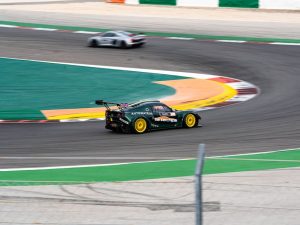
MotoGP vs WSBK: What Is the Difference?
MotoGP uses purpose-built prototype motorcycles, while WSBK races highly developed versions of production superbikes. Compare their bikes, rules, speed, riders, race formats, and costs.
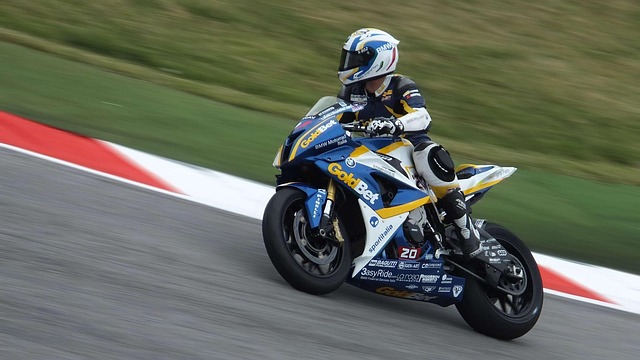
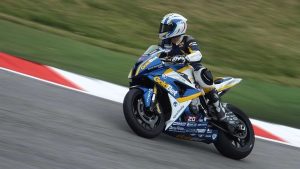
MotoGP and WSBK are different types of motorcycle racing. MotoGP is the premier championship for prototype racing machines designed exclusively for competition. WSBK, officially the FIM Superbike World Championship and often called WorldSBK, uses motorcycles based on road-going superbikes such as the Ducati Panigale, Yamaha YZF-R1, BMW M 1000 RR, Honda CBR1000RR-R, Kawasaki Ninja ZX-10RR, and others.
That distinction explains most of the differences in the MotoGP vs WSBK debate. MotoGP bikes are usually faster on a qualifying lap and offer more advanced prototype technology. WSBK bikes remain closer to motorcycles that customers can buy, while the championship places greater emphasis on production-based development, setup, and rider performance.
MotoGP vs WorldSBK: The main difference
| Feature | MotoGP | WSBK |
|---|---|---|
| Motorcycle type | Purpose-built prototypes | Production-based superbikes |
| Road-bike connection | Limited or indirect | Direct connection to homologated road models |
| Engine capacity | Up to 1000cc under current regulations | Usually large-displacement four-cylinder or twin-cylinder engines, regulated by the rules |
| Race weekend | One main Grand Prix race plus a Sprint | Three scoring races: two full-length races and a shorter Superpole Race |
| Technical freedom | Extensive prototype development within MotoGP rules | More restrictions intended to control production-based costs |
| Typical rider path | Prototype racing and Grand Prix categories | National superbike racing, Supersport, or other motorcycle championships |
The simplest answer to “MotoGP vs WSBK, which is better?” is that they serve different purposes. MotoGP showcases the highest level of prototype motorcycle engineering. WSBK shows how close a competition machine derived from a road superbike can come to elite racing performance.
MotoGP bikes vs superbikes
A MotoGP motorcycle is built without the compromises required for road use. Engineers can design the chassis, engine, aerodynamics, electronics, cooling system, and riding position specifically for a race circuit. The machine does not need headlights, luggage capacity, passenger accommodation, emissions equipment, or comfortable road manners.
WSBK motorcycles begin with a homologated production model. Teams can replace or modify many parts, including suspension, brakes, wheels, exhaust systems, electronics, engine internals, and bodywork, but the race bike must retain a clear relationship with the road motorcycle. This makes WSBK more relevant to riders comparing high-performance superbikes in the showroom.
MotoGP machines also use prototype components that are not normally available on production motorcycles. Their aerodynamic packages, carbon braking systems, seamless gearboxes, sophisticated electronics, and prototype engines are developed specifically for racing. WorldSBK teams use advanced equipment too, but the technical rule set is designed to prevent unlimited prototype spending.
Which is faster: MotoGP or WSBK?
In general, MotoGP is faster over a single lap. Prototype motorcycles can produce more cornering performance and acceleration because they are lighter in some areas, use highly specialized components, and benefit from more extensive aerodynamic development. MotoGP riders also compete on purpose-built machines optimized for each circuit.
WSBK is not simply a slower version of MotoGP. At many tracks, the leading superbikes can set very competitive lap times, and the difference varies with the circuit, weather, tire allocation, technical regulations, and rider. A production-based motorcycle may be especially strong in braking stability, traction, or long-run consistency even if it loses time in qualifying.
Top speed alone does not determine which championship is faster. Lap time also depends on corner entry, mid-corner speed, acceleration, tire performance, electronics, and the way each bike manages its tires across a race. The fastest MotoGP bike is normally quicker overall, but WSBK machinery can remain close enough to produce intense racing.
Race formats and competition
MotoGP race weekends include practice, qualifying, a short Sprint, and the main Grand Prix race. The Sprint awards fewer points and adds another high-intensity contest to the weekend. The main race remains the longer scoring event.
WSBK offers three opportunities for riders to score during a standard weekend: Race 1, the Superpole Race, and Race 2. The shorter Superpole Race also influences the starting positions for the second full race. This format creates more chances for a rider to recover from a poor result, but it also increases the importance of tire management and consistency across multiple starts.
The WSBK format can feel more accessible to viewers who enjoy repeated battles between the same manufacturers and riders. MotoGP often places greater focus on prototype development, qualifying performance, and the technical evolution of the bikes during a season.
Are WSBK riders as good as MotoGP riders?
Both championships feature elite professional riders. The difference is usually the motorcycle category and career route, not a simple ranking of rider ability. MotoGP riders are selected for their performance on prototype machines, while WSBK riders specialize in extracting performance from production-based superbikes.
Some riders have competed successfully in both championships, showing that skills can transfer between the categories. However, a MotoGP prototype and a WSBK superbike have different braking behavior, electronics, tire characteristics, aerodynamics, and cornering demands. A rider moving between them must adapt rather than simply repeat the same technique.
MotoGP is often considered the higher level of the prototype racing ladder, but that does not make every MotoGP rider automatically superior to every WSBK rider. Team resources, bike performance, injury history, tire conditions, and circuit layout can strongly influence the result.
Why choose MotoGP or WSBK?
- Choose MotoGP if you enjoy: prototype technology, cutting-edge aerodynamics, rapid technical development, and the highest-profile Grand Prix competition.
- Choose WSBK if you enjoy: production-based motorcycles, closer links to road-bike brands, multiple races per weekend, and comparisons between superbikes that resemble showroom models.
For a motorcycle buyer, WSBK offers the more direct connection to road machines. For someone interested in pure racing engineering, MotoGP provides a clearer view of what manufacturers can achieve when road-use requirements are removed.
Common questions about MotoGP and WSBK
Is WSBK the same as MotoGP?
No. MotoGP uses prototype motorcycles, while WSBK uses race-prepared versions of homologated production superbikes. They are separate championships with different technical rules, teams, race formats, and sporting structures.
Can a WSBK bike beat a MotoGP bike?
In a direct comparison, a MotoGP bike is generally faster around a circuit. The result can vary in a test because of rider, tires, weather, setup, and the track, but MotoGP machinery is designed with greater prototype freedom.
Are MotoGP bikes based on road bikes?
Modern MotoGP bikes are prototypes rather than modified road motorcycles. Manufacturers may use knowledge gained from MotoGP in their production models, but the race machines are developed independently for competition.
Why do WSBK bikes look like superbikes people can buy?
WSBK rules require a connection to homologated production motorcycles. Teams heavily modify those bikes for racing, but the fairing shape, engine concept, and basic model identity remain linked to the road version.
Which championship has more races?
WSBK normally provides three scoring races during a standard weekend, while a MotoGP weekend combines a Sprint with the main Grand Prix race. The exact calendar and schedule can change, so the official championship timetable should be checked for a particular event.