
Difference Between Rally and Rallycross: Rules, Cars and Race Format
Rally and rallycross both use fast cars and loose surfaces, but they differ in course design, competition format, timing and driving style. Here is how the two motorsports compare.
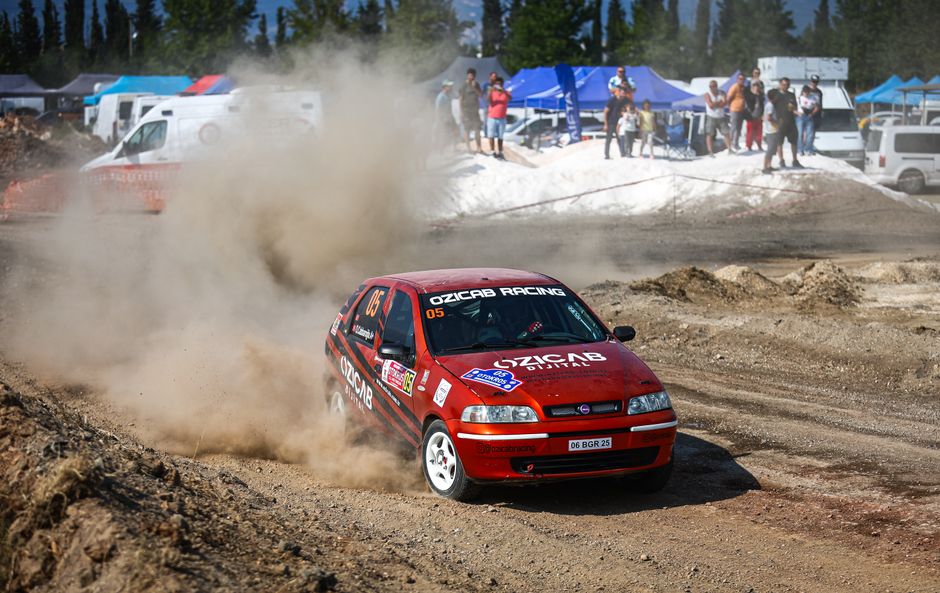
The main difference between rally and rallycross is how the competition is organised. Rally drivers usually compete one at a time on timed sections of public or private roads, while rallycross drivers race several cars together on a short closed circuit. That changes the cars, tactics, risks and viewing experience.
What is the difference between rally and rallycross?
In a traditional rally, each crew completes a series of special stages against the clock. The driver and co-driver follow pace notes through a varied route that may include gravel, tarmac, snow or mud. The winner is the crew with the fastest combined stage time, subject to penalties.
Rallycross is a wheel-to-wheel circuit sport. Several cars start together and compete over short heats, often on a mixed-surface track containing both gravel and asphalt. Drivers fight for position through corners, jumps and contact, then progress through qualifying races and later finals.
| Feature | Rally | Rallycross |
|---|---|---|
| Race format | Timed stages, usually one car or crew at a time | Several cars racing together |
| Course | Long point-to-point roads and special stages | Short closed circuit |
| Main challenge | Managing pace, grip, navigation and consistency | Launches, overtaking, positioning and rapid laps |
| Race length | Spread across multiple stages and sometimes several days | Short heats, qualifiers and finals |
| Navigation | Co-driver and pace notes are central | Drivers normally race from a fixed circuit layout |
How a rally works
A rally is built around special stages. Competitors travel between those stages on public roads, following event rules and scheduled time controls. The competitive sections are closed to normal traffic, but they can run through forests, mountains, farmland or desert terrain.
The co-driver reads pace notes that describe corners, crests, jumps and hazards. This allows the driver to prepare for sections that may be hidden from view. Speed is only part of the result: avoiding punctures, mechanical damage, missed junctions and time penalties can be just as important.
Rally cars are designed to handle changing surfaces and long stages. Their suspension, tyres, four-wheel-drive systems and protective equipment must cope with jumps, uneven roads and varying weather. Rally regulations differ between championships, so the exact car specifications depend on the series.
How rallycross works
Rallycross takes place on a purpose-built circuit that combines paved and unpaved sections. The track is much shorter than a rally route, so spectators can see most or all of the action from one location. The compact layout creates repeated battles for position rather than a series of isolated timed runs.
A typical rallycross event uses qualifying sessions or heats to determine who advances. The later races carry greater importance, with a final deciding the leading positions. Starts are especially significant because several cars accelerate side by side into the first corner.
Many rallycross circuits include an alternative route known as a joker lap. A driver must take it at least once, but choosing the right moment can affect the outcome. Taking the longer route early may provide clear track, while delaying it can help a driver protect or gain a position during the main pack race.
Why the driving styles feel different
Rally rewards precision over distance. Drivers need to trust pace notes, judge grip that can change from one corner to the next and preserve the car over a long event. A small mistake may cost time, damage the car or end the rally entirely.
Rallycross demands immediate reactions in traffic. Drivers must defend their line, find overtaking opportunities and manage tyre grip while watching several rivals at once. Contact can occur, although competitors still have to remain within the sporting and technical rules.
This is why a rally driver may appear to attack a stage with controlled commitment, while a rallycross driver often makes rapid decisions in close combat. Both require car control, but the pressure comes from different sources.
Are rally cars and rallycross cars the same?
They can share features such as turbocharged engines, four-wheel drive and strong suspension, but they are not automatically the same specification. Rally cars need durability across long stages and different surfaces. Rallycross cars are set up for short, intense races, quick acceleration and repeated cornering on a compact circuit.
Rallycross cars may use suspension and aerodynamic settings suited to jumps, launches and close racing. Rally cars place greater emphasis on endurance, surface changes and the demands of a crew working through an extended route. Regulations determine which technologies and performance levels are allowed in each championship.
Which sport is better to watch?
The better choice depends on what you want from motorsport. Rally offers changing scenery, difficult roads and the drama of a long event in which consistency matters. Watching a rally often involves following stage times, weather conditions and how a driver’s road position affects grip.
Rallycross is easier to follow live because the cars repeatedly pass the same viewing area. The starts, overtakes, jumps and joker-lap choices create visible action within a short race. It is often the more accessible option for spectators who prefer direct competition rather than time comparisons.
Common confusion about rally and rallycross
Rallycross is not simply a shorter rally. Its circuit format, simultaneous starts and qualifying structure make it a separate discipline. Likewise, rally is not just a race on dirt: many rallies include asphalt stages, and some events use snow, ice or other specialised surfaces.
Another misconception is that the fastest car always wins a rally. A strong power advantage helps, but tyre choice, reliability, pace-note accuracy, road conditions and penalties can decide the final classification. In rallycross, raw speed also needs to be combined with a good start and effective race positioning.
Rally vs rallycross: the simple answer
Choose rally if you want timed competition on long, varied roads with a driver and co-driver working together. Choose rallycross if you want short circuit races with several cars battling side by side. Both sports demand speed and precision, but rally tests endurance and route management, while rallycross focuses on close racing and rapid decisions.