Different Types of Motorsport: How Racing Disciplines Compare
Explore the main types of motorsport, from circuit racing and rallying to motocross, karting, endurance events and electric racing. Learn how each discipline works and what makes it distinct.
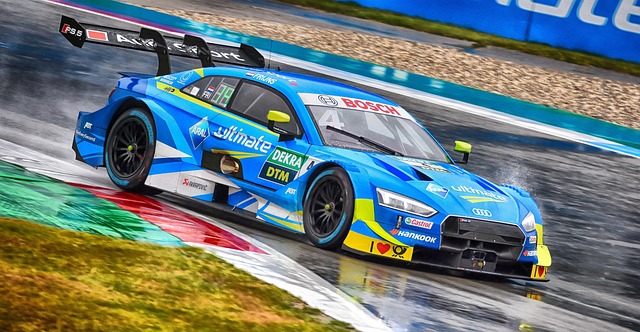
Different types of motorsport test speed, control, strategy and mechanical reliability in very different ways. Some competitions take place on paved circuits, while others use dirt tracks, public roads, deserts, snow or purpose-built off-road courses. The vehicle, surface, race format and scoring system all shape the challenge.
This overview explains the main motorsport disciplines, how they differ and which vehicle categories are associated with each one. It also separates forms of racing that are often grouped together, such as rallying and rallycross or circuit racing and endurance racing.
Circuit racing
Circuit racing takes place on a defined track with a combination of straights, corners, braking zones and changes in elevation. Competitors may race for a set number of laps, a fixed duration or the best overall time. Overtaking, tyre management, pit strategy and qualifying position are often decisive.
Single-seater racing
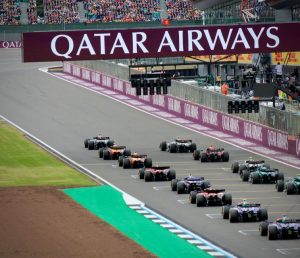
Single-seater cars have exposed wheels and one central driving position. Their aerodynamic design produces downforce, allowing high cornering speeds, while lightweight construction makes precise driving especially important. Formula racing is the best-known branch of single-seater motorsport, with championships ranging from introductory junior categories to elite international series.
Open-wheel racing can use short sprint races, feature races or longer events with mandatory pit stops. Junior formula categories commonly focus on driver development, while top-level series place greater emphasis on engineering, race strategy and technical regulation.
Sports car and GT racing
Sports car racing uses purpose-built prototypes, production-based grand tourers or both. GT cars retain a closer visual and mechanical relationship to road cars, although they contain extensive racing modifications. Prototype cars are designed primarily for competition and usually offer greater aerodynamic performance.
Many sports car events use multiple classes on the same track. A faster prototype may share the circuit with a slower GT car, requiring drivers to manage traffic as well as direct competition. This makes multi-class racing different from a single-class sprint race.
Touring car racing
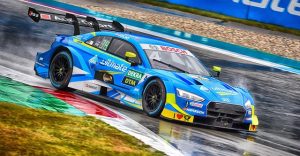
Touring car championships are based on modified production sedans or hatchbacks. The cars generally have less downforce than single-seaters, so close racing, heavy braking and contact between competitors can play a larger role. Balance-of-performance rules may be used to keep different manufacturers competitive.
Endurance racing
Endurance racing is defined by duration rather than a short lap count. Events can last several hours or run through an entire day and night. Teams normally share driving duties, and success depends on consistent lap times, fuel use, tyre life, pit-stop execution and reliability.
The 24-hour race is the most recognisable endurance format, but shorter endurance races are also common. A car that is fastest over one lap may not be the best choice for a long event, where avoiding damage and mechanical failures is often more valuable than taking constant risks.
Rallying and off-road motorsport
Off-road disciplines move racing away from a smooth permanent circuit. Drivers must react to changing grip, jumps, loose surfaces, weather and obstacles. Navigation, suspension setup and durability can matter as much as outright speed.
Rally
In stage rallying, cars compete individually against the clock on closed roads or tracks. A co-driver reads pace notes that describe corners, crests, hazards and changes in surface. The overall result is based on the combined time from several stages, plus any penalties.
Rally cars may compete on gravel, tarmac, snow or mixed surfaces. A gravel rally requires different suspension and tyre choices from a tarmac event, while snow rallies demand specialised tyres and precise weight transfer. Unlike wheel-to-wheel circuit racing, competitors usually start at intervals rather than alongside one another.
Rallycross
Rallycross combines short, head-to-head races with mixed-surface circuits. Cars often run on a track containing both tarmac and gravel, and the compact format creates frequent overtaking and close battles. A joker lap or alternative route may add a tactical decision to each race.
Rallycross is not simply a shorter rally. Rally drivers compete against the clock over separate stages, whereas rallycross drivers race directly against several opponents on the same circuit.
Off-road racing
Off-road racing includes desert races, cross-country rallies, rock-crawling events and short-course truck competitions. Vehicles range from production-based four-wheel-drive machines to specialised buggies and trophy trucks. Long desert events test navigation, heat management, suspension travel and the ability to repair or preserve a vehicle over difficult terrain.
Hill climbs
Hill-climb competitors race uphill on a closed road or purpose-built course, usually one car at a time. The run may last only a few minutes, but the driver must commit to corners without the opportunity to recover time later in the lap. Cars can include road-based machines, sports prototypes, single-seaters and heavily modified vehicles.
Two-wheel motorsport
Motorcycle racing has its own range of disciplines, from paved-track road racing to dirt-based motocross. Riders must manage traction while leaning the motorcycle, and body position has a direct effect on cornering, braking and acceleration.
Road racing
Road racing motorcycles compete on paved circuits or closed public-road courses. Grand prix-style racing uses lightweight prototype machines, while superbike and supersport categories are based more closely on production motorcycles. Race starts, tyre choice, braking technique and slipstreaming are central features.
Motocross and supercross
Motocross takes place on outdoor dirt tracks containing jumps, berms, ruts and uneven surfaces. Supercross uses a more compact indoor or stadium layout with tightly arranged jumps and rhythm sections. Both disciplines reward rapid bike control, physical fitness and the ability to maintain momentum on changing terrain.
Speedway and enduro
Speedway motorcycles race on short oval dirt tracks, usually without traditional brakes. Riders slide through corners while balancing throttle control and line choice. Enduro competition is different again: it combines timed sections, natural obstacles and longer distances, placing a strong emphasis on endurance, navigation and mechanical resilience.
Karting and entry-level racing
Karting is a form of four-wheel motorsport using small, lightweight vehicles with direct steering and no suspension in most racing classes. Because karts are close to the ground and respond quickly to steering and throttle inputs, they teach braking points, racing lines, overtaking and racecraft.
Indoor karting usually uses slower rental karts on compact circuits, while outdoor sprint karting features faster machinery and specialist classes. Endurance karting adds driver changes and pit strategy. Karting is also a common starting point for drivers who later move into single-seaters, touring cars or sports cars.
Drag racing and straight-line speed events
Drag racing measures acceleration over a short, straight course. Two vehicles normally launch from a standing start and race to the finish, with reaction time, traction, gearing and power delivery determining the result. A race can be decided in seconds, so small differences at the start are significant.
There are many vehicle classes, including motorcycles, production-based cars and highly specialised dragsters. Drag racing is distinct from top-speed competition: it rewards rapid acceleration over a fixed distance, while land-speed events focus on achieving the highest possible speed over a measured course.
Electric and alternative-energy motorsport
Electric racing uses battery-powered vehicles and creates different technical priorities from conventional combustion-engine racing. Energy consumption, regenerative braking, battery temperature and software strategy affect performance. Drivers may need to manage available energy across a race rather than use maximum power at every moment.
Electric single-seater championships, electric touring cars, electric motorcycles and off-road series demonstrate how the technology can be applied across several formats. Alternative-energy competitions may also use hybrid powertrains or renewable fuels, depending on the championship rules.
How the main motorsport disciplines differ
The simplest way to compare racing categories is to look at five factors: surface, race format, vehicle design, duration and the main skill being tested.
- Paved circuit racing: rewards braking precision, corner speed, overtaking and tyre management.
- Endurance racing: adds reliability, driver changes, pit stops and traffic management.
- Rallying: tests pace-note interpretation, adaptability and speed on changing surfaces.
- Rallycross: combines mixed surfaces with direct wheel-to-wheel competition.
- Off-road racing: emphasises vehicle durability, suspension control and terrain reading.
- Motorcycle racing: requires balance, lean-angle control and precise traction management.
- Karting: places strong emphasis on close-quarters racecraft and momentum.
- Drag racing: focuses on launch execution, traction and acceleration.
- Electric racing: makes energy use, regeneration and battery management central to strategy.
Frequently asked questions about motorsport types
What is the most common type of motorsport?
Circuit racing is one of the broadest and most widely recognised forms of motorsport. It includes single-seater, sports car, GT, touring car and endurance categories, from local club events to major international championships.
What is the difference between Formula racing and sports car racing?
Formula cars are usually single-seat, open-wheel vehicles built to a defined technical specification. Sports car racing uses closed-cockpit prototypes or production-based GT cars, and many events allow two or more drivers to share one car.
Is rallying the same as off-road racing?
No. Rallying normally uses timed stages and a co-driver who provides pace notes. Off-road racing is a wider category that can include desert races, cross-country rallies, rock-crawling and short-course truck events.
Which type of motorsport is best for learning racecraft?
Karting is widely used to develop basic racecraft because the vehicles are responsive, the competition is close and drivers must learn braking, positioning and overtaking without relying on large aerodynamic advantages.
What type of motorsport lasts the longest?
Endurance racing includes some of the longest circuit events, with races lasting many hours or a full day. Long-distance rally and desert competitions can also extend across multiple days, although they use a different timed-stage or cross-country format.