Difference Between NASCAR and IndyCar: Cars, Tracks and Racing Explained
The difference between NASCAR and IndyCar goes beyond appearance. Compare their cars, circuits, race formats, speeds, strategy and the skills each series demands.
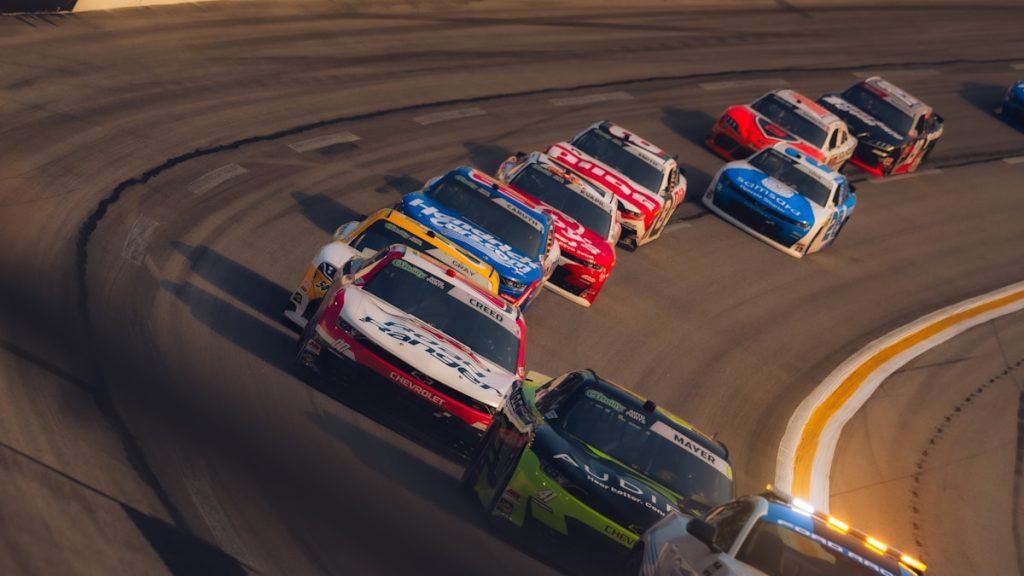
The difference between NASCAR and IndyCar is easiest to understand by looking at the type of car, the circuits and the style of racing. NASCAR is built around closed-wheel stock cars and has a strong oval-racing identity. IndyCar uses lightweight open-wheel cars and competes on ovals, road courses and temporary street circuits.
Both are elite American racing series, but they test drivers in noticeably different ways. An IndyCar driver must adapt quickly between high-speed ovals and technical road layouts, while a NASCAR driver usually manages a heavier car through close traffic, changing grip and long races that demand patience.
What is the main difference between NASCAR and IndyCar?
The clearest distinction is the design of the cars. IndyCar vehicles are single-seat, open-wheel race cars, so the wheels sit outside the main bodywork. They use aerodynamic wings and a narrow, lightweight chassis designed to generate speed and cornering performance.
NASCAR Cup Series cars are closed-wheel vehicles with covered wheels and a roof. Although they resemble production sedans or sports cars, modern NASCAR cars are purpose-built racing machines rather than ordinary road cars. Their bodies are shaped to represent different manufacturers, while the underlying race-car technology is highly specialized.
| Feature | IndyCar | NASCAR Cup Series |
|---|---|---|
| Car design | Open-wheel, single-seat car | Closed-wheel, roofed stock car |
| Main circuit types | Ovals, road courses and street circuits | Mostly ovals, plus road and street courses |
| Typical racing character | Lightweight, aerodynamic and technically varied | Heavy, close-pack and strongly dependent on traffic management |
| Driver environment | Open cockpit with exposed wheels | Enclosed cockpit with a roof and windshield area |
| Race strategy | Strong emphasis on fuel, tires, pit timing and track type | Strong emphasis on drafting, tire wear, pit timing and restarts |
How the cars and driving styles compare
IndyCar cars are generally more sensitive to aerodynamic balance. Small changes in downforce, tire pressure or the car’s setup can affect how confidently a driver can attack a corner. On an oval, competitors may run close together at very high speed, leaving little room for a mistake. On a road course, braking zones, kerbs and rapid direction changes become more important.
NASCAR cars have different demands. They are heavier and produce a larger slipstream effect in traffic. Drivers often run close to the car ahead, using the draft to gain speed and working with another driver to move through the pack. A NASCAR race can also change dramatically after a caution period, because the field is compressed for the restart.
This is why an IndyCar versus NASCAR comparison is not simply a contest over which car is faster. The two disciplines reward different skills. IndyCar places a premium on precision, adaptability and aerodynamic feel. NASCAR rewards car control in traffic, patience over long distances and the ability to protect or recover tire grip.
IndyCar tracks compared with NASCAR circuits
IndyCar has one of the broadest circuit mixes in top-level motorsport. Its calendar can include superspeedway-style ovals, shorter ovals, permanent road courses and temporary street circuits. The same driver may need to change driving style completely from one weekend to the next.
NASCAR is historically associated with oval racing, and ovals remain central to the championship. The tracks vary significantly: some are short and tight, some are fast and wide, and others have distinctive banking or irregular layouts. NASCAR also races on road and street courses, but these events are a smaller part of the overall schedule than in IndyCar.
The circuit difference affects the viewing experience. IndyCar races can move between several racing styles within a single season. NASCAR oval races often create sustained battles in a pack, with drafting and positioning playing a major role. Neither format is automatically more difficult; each creates its own technical and tactical problems.
Are NASCAR or IndyCar cars faster?
There is no single answer because speed depends on the track. IndyCars are usually lighter and highly aerodynamic, making them exceptionally quick on road courses and ovals. NASCAR cars are also capable of very high speeds, particularly on large oval circuits, but their weight, bodywork and aerodynamic characteristics are different.
Average lap speed is more useful than a headline top-speed figure, and even that comparison can be misleading. Track length, banking, weather, tire compounds, aerodynamic rules and race setup all influence the result. An IndyCar may be quicker around one type of circuit, while a NASCAR car may reach comparable or higher speeds in another setting.
It is also worth separating qualifying pace from race pace. A car may set a fast single lap but need a more conservative setup for tire life, fuel mileage or stability over a long race. This is one reason direct NASCAR versus IndyCar speed comparisons rarely tell the whole story.
Race format, strategy and championships
Both series use pit stops, tire management, caution periods and championship points, but their races unfold differently. IndyCar strategy often revolves around fuel windows, tire compounds, pit-lane timing and the demands of the specific track. A well-timed stop can change track position, especially when a caution appears at the right moment.
NASCAR strategy is heavily shaped by cautions, restarts and the draft. Teams must decide when to pit while considering whether the race may be neutralized soon afterward. Track position can be valuable, but a driver may also need to save fuel or tires rather than attack every lap.
The championship structures also differ. IndyCar crowns a season champion across its mixture of race venues, with the Indianapolis 500 carrying special significance within the series. NASCAR’s premier championship is the Cup Series title, decided through its own season format and scoring system. The events are not interchangeable, even though both championships are major parts of American motorsport.
Which series is more dangerous?
Both NASCAR and IndyCar involve substantial risk, and safety standards have changed considerably over time. Their risks are shaped by the cars and circuits: open-wheel racing exposes the wheels and cockpit area, while NASCAR features heavy cars racing closely together, often at high speed.
Safety equipment includes purpose-built chassis, impact structures, restraints, helmets, fire-resistant clothing and track barriers. Drivers also face different accident patterns. Contact between open wheels can launch a car, while NASCAR incidents often involve multiple cars in close traffic. It is not responsible to rank one series as simply safe or unsafe without considering the circuit, era and specific accident.
Is IndyCar or NASCAR better to watch?
The better choice depends on what type of racing you enjoy. IndyCar may appeal to viewers who want varied circuits, open-wheel technology, braking battles and major differences between oval, road and street events. NASCAR may be a stronger fit for fans who enjoy drafting, side-by-side oval racing, long strategic races and frequent changes during restarts.
For someone deciding which series to follow, watching one oval race and one road or street-course race from each championship gives a more accurate impression than relying on car appearance alone. The racing can change significantly from venue to venue, particularly in IndyCar.
Common questions about NASCAR and IndyCar
Can a NASCAR driver race an IndyCar?
Some drivers have competed in both disciplines, but success does not transfer automatically. The cars require different braking techniques, seating positions, aerodynamic understanding and approaches to traffic. Experience in one series can help, but a driver still needs time to adapt to the other.
Can an IndyCar driver race in NASCAR?
Yes. IndyCar drivers have taken part in NASCAR events, just as NASCAR drivers have tried IndyCar machinery. The change is demanding because the car behavior, race procedures and circuit emphasis differ. A driver’s previous experience may be useful, but it does not remove the learning curve.
Is IndyCar the same as Formula 1?
No. IndyCar, Formula 1 and NASCAR are separate championships with different technical rules, calendars and racing formats. IndyCar and Formula 1 both use open-wheel cars, but their regulations and competition structures are not the same. NASCAR uses closed-wheel stock cars.
What should a new fan watch first?
Start with a race whose circuit type matches your interests. Choose an IndyCar road-course event for braking and cornering battles, an IndyCar oval for high-speed pack racing, or a NASCAR short-track and superspeedway event to see how traffic and drafting create different challenges.