What Is Rally Reconnaissance? The Meaning of Recce in Rally
Rally reconnaissance, usually called recce, is the pre-event process of driving a stage to study its corners, surfaces, hazards and landmarks before competition.
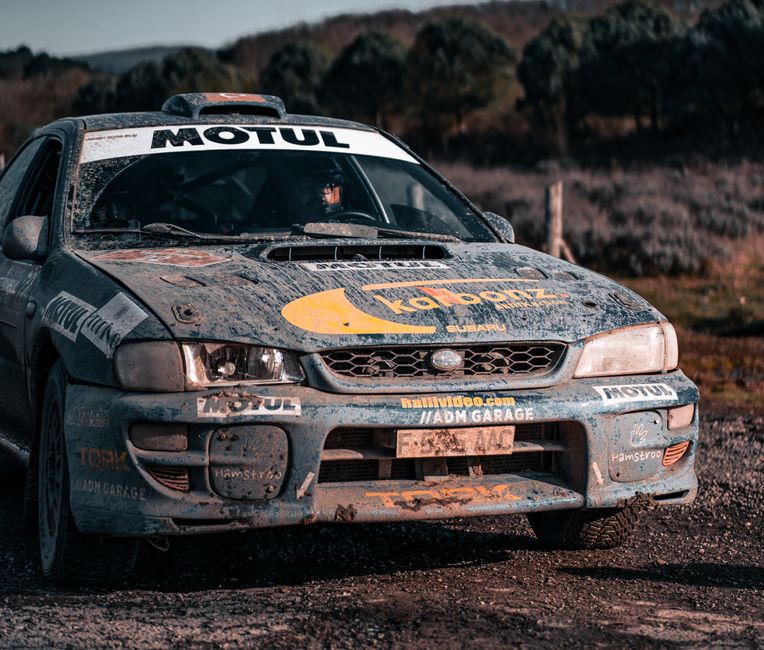
Rally reconnaissance, commonly called recce, is the process of examining a rally stage before the timed competition begins. The driver and co-driver use the recce to understand the route, identify hazards and create or confirm pace notes that describe what is ahead.
Recce is not a practice run. The crew normally drives a public-road stage at controlled speeds and within event regulations, rather than racing to set the fastest time. Its purpose is to turn an unfamiliar road into a sequence of information the driver can follow at competition speed.
What happens during rally recce?
During reconnaissance, the crew drives each special stage, often more than once if the regulations allow it. The driver studies the road while the co-driver records details in the pace notes. These notes can describe corner direction, severity, length, camber, surface changes, crests, jumps, junctions, braking points and hazards.
The crew may also check landmarks that help the driver locate each instruction. A bridge, tree, sign, wall or change in road colour can provide a visual reference. The co-driver then reads the notes aloud during the rally so the driver receives information about the road before reaching each feature.
Recce conditions may differ from competition conditions. A stage can be dry during reconnaissance and wet during the rally, or a clean road can become covered with loose gravel after earlier cars pass. Drivers therefore use recce to understand the layout and likely risks, not to predict every condition perfectly.
Why is reconnaissance important in rallying?
A rally stage may contain blind corners, sudden crests, narrow bridges and changing grip levels. The driver cannot safely discover these features for the first time at full speed. Rally reconnaissance reduces uncertainty by providing a planned description of the road.
- Safety: The crew can identify dangerous corners, obstacles, drop-offs and areas where the road narrows.
- Accuracy: Pace notes help the driver choose an appropriate speed and line through each section.
- Communication: The driver and co-driver agree on wording, timing and the meaning of their pace-note system.
- Strategy: Surface changes and repeated hazards can influence tyre, braking and driving decisions.
The quality of the notes matters as much as the information collected. A note that is too cautious may cause the crew to lose time, while an overly optimistic note can encourage the driver to approach a corner too quickly. The system must be clear and consistent for that particular driver and co-driver pairing.
What are rally pace notes?
Pace notes are shorthand descriptions of the road ahead. They commonly use numbers or words to show how tight a corner is, along with instructions for direction, distance and hazards. There is no single universal pace-note language: teams may use different scales, terminology and formats.
A typical sequence might tell the driver that a right-hand corner is followed by a left-hand corner, a crest and a narrowing section. The exact wording is less important than making sure both crew members interpret it in the same way. The co-driver reads the information at a carefully judged rhythm, allowing the driver to prepare without being overloaded.
How is recce different from a rally practice run?
Recce and practice serve different purposes. Reconnaissance is a controlled inspection of the route, usually conducted under limits set by the organiser. A practice or shakedown session takes place on a designated test road and is intended to check the car, tyres and setup.
During recce, the competition car is usually not being pushed at race speed. The crew is learning the stage and preparing notes. During shakedown, the crew can focus more directly on how the rally car performs, although shakedown does not replace the need to inspect the actual stages.
Are there rules for rally reconnaissance?
Yes. The event organiser and governing body set the conditions for recce. Regulations can limit the number of passes, impose speed limits, specify permitted vehicles and control when reconnaissance may take place. Public roads may remain open to ordinary traffic, so the crew must follow road laws and drive responsibly.
Rules vary between championships and events. Some rallies use electronic monitoring or other checks to enforce reconnaissance limits. Competitors can face penalties for speeding, making unauthorised passes or using prohibited equipment, so the event regulations are the final authority.
What does “recce” mean in rally?
“Recce” is short for reconnaissance. In rallying, it means inspecting the special stages before competition so the crew can build accurate pace notes and prepare for the road. It is one of the main ways a rally crew converts knowledge of the route into speed and control.
Frequently asked questions
Does recce mean drivers are racing the stage?
No. Recce is normally conducted at controlled speeds and under specific event rules. The timed run happens later, during the rally itself.
Who writes the pace notes?
The driver and co-driver usually develop them together. The driver describes what the road feels like and how corners should be approached, while the co-driver records, organises and reads the instructions.
Can a rally crew use old pace notes?
They may use previous knowledge where event rules permit it, but the current stage still needs to be checked. Road surfaces, junctions, obstacles and hazards can change between events.