What Does a Rally Co-Driver Do? Understanding the Role
A rally co-driver does far more than read notes. Learn how they navigate special stages, manage timing, support strategy and help the driver make rapid decisions at speed.
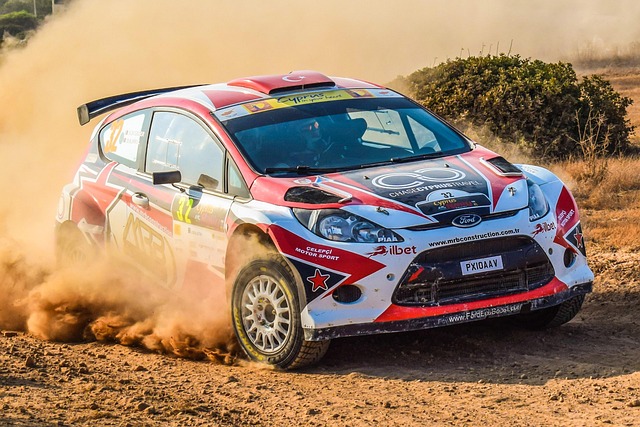
A rally co-driver is the driver’s navigator, timekeeper, information manager and tactical partner. During a stage, they read pace notes aloud so the driver knows what corners, crests, jumps and hazards are coming before they can be seen. Between stages, they also manage schedules, check route information and help the crew stay within the event’s rules.
The rally co-driver role demands concentration under heavy braking, rapid acceleration and constant movement inside the car. A successful co-driver must process information accurately, communicate at the right moment and remain calm when conditions change.
What does a rally co-driver do during a stage?
The most visible part of the job is calling pace notes. Before competition, the driver and co-driver inspect the route at controlled speeds and create a detailed description of the road. Those notes may cover corner direction, corner severity, distance, camber, surface changes, crests, jumps, junctions and hazards.
During the competitive run, the co-driver reads those instructions from a notebook or digital note system. The calls must arrive early enough for the driver to prepare, but not so early that several instructions become confusing. Timing and wording are agreed by the crew before the stage, so a phrase such as “right five” has a precise meaning for that driver.
- Navigation: The co-driver confirms the route and warns about junctions, junction cuts, surface changes and other features.
- Pace-note delivery: They describe upcoming corners and hazards using the crew’s agreed rally pace-note system.
- Risk information: They highlight dangers such as rocks, water, narrow bridges, deceptive corners and areas where previous cars have damaged the road.
- Timing support: They monitor stage timing and help the crew understand how their performance is developing.
- Emergency communication: If the car stops or crashes, they help report the location and assess what assistance may be needed.
A co-driver cannot simply read every note at the same volume and speed. Calls must be prioritised. A tightening corner, an unseen jump or a blocked section requires different emphasis from a routine bend. The best rally navigator gives the driver useful information without overwhelming them.
The co-driver’s work between special stages
The rally co-driver role continues after the car crosses the finish line. Most rallies use road sections between competitive stages, and these sections have a strict schedule. The co-driver checks the route card, calculates arrival times and reports the car’s time at controls.
Arriving too early or too late can lead to penalties. The co-driver therefore tracks the official timetable while the driver concentrates on public-road driving. They may also manage paperwork, confirm the next stage, check service instructions and communicate information from officials to the rest of the crew.
At service areas, the co-driver helps coordinate the short window available for repairs. They can tell the team what happened on the previous stage, identify unusual noises or handling problems and make sure the correct notes and equipment are ready for the next section. In longer events, organisation and fatigue management become as important as pace-note reading.
How rally pace notes work
Pace notes are not universal instructions shared by every driver. Each crew develops a system that suits the driver’s reactions and the road. One driver may use a scale from one to six for corner severity, while another may use different numbers, words or symbols.
A typical note can combine direction, severity and distance. For example, “left four, tightens, over crest” might tell the driver that a medium-fast left corner becomes sharper and is partly hidden by a rise. The exact meaning depends on the crew’s system, which is why clear preparation matters.
During reconnaissance, the co-driver helps record the road accurately without creating an unnecessarily long set of instructions. Notes need enough detail to support speed and safety, but they must remain readable and deliverable at competition pace. Rain, loose gravel, mud or snow can also change how a note should be interpreted, so crews may add surface and grip warnings.
What skills does a rally co-driver need?
Accuracy is the foundation of co-driving. A small mistake in a distance, corner direction or hazard call can have serious consequences because the driver may commit to an action before the road is visible. Strong co-drivers develop careful preparation habits and verify information rather than relying on memory.
Communication is equally important. The co-driver must speak clearly through helmet intercoms, often while the car is loud and the occupants are subjected to rapid changes in direction. They need good rhythm, precise pronunciation and the confidence to make an urgent warning stand out.
Other valuable skills include:
- map reading and route planning;
- mental arithmetic for rally timing and time controls;
- fast reading and reliable note handling;
- mechanical awareness and the ability to describe vehicle symptoms;
- decision-making under pressure;
- physical stamina and resistance to motion sickness;
- knowledge of event regulations and safety procedures.
A co-driver also needs a productive working relationship with the driver. Trust is built through testing, reconnaissance and honest review of each stage. The driver must believe that the calls are accurate, while the co-driver must understand how that driver interprets pace notes and responds to different levels of risk.
Is a rally co-driver the same as a navigator?
Navigation is one part of the job, but “navigator” does not describe the full responsibility. In modern stage rallying, the co-driver combines route guidance with pace-note delivery, time control management, administration and crew coordination.
In some forms of rally competition, navigation may be the central challenge and the crew may follow route instructions without pre-written pace notes. In stage rallying, the co-driver usually has a much more detailed performance role: they provide a continuous stream of information that allows the driver to attack roads that cannot be seen in full from the cockpit.
How do people become rally co-drivers?
Most co-drivers build experience in local or club-level events before moving into national and international competition. They learn by studying regulations, practising route notes, volunteering at rallies and competing with drivers who are developing at a similar level.
Training often includes reconnaissance technique, time-card procedures, emergency protocols and communication practice. Sitting alongside an experienced co-driver can reveal how notes are structured, how warnings are prioritised and how the crew recovers when something unexpected happens.
There is no single academic qualification that makes someone a rally co-driver. A competition licence, event-specific knowledge, practical experience and dependable preparation are usually more relevant. Fitness and financial planning also matter because rally seasons involve travel, equipment and repeated event costs.
Frequently asked questions about the rally co-driver role
Does the co-driver tell the driver where to go?
Yes, but the job is more detailed than giving basic directions. The co-driver confirms the route and delivers pace notes describing the road’s shape, hazards and changing conditions.
Does the driver see the road before the rally?
Crews normally inspect the stage during reconnaissance, subject to the event’s rules. The co-driver records notes during this inspection, and the driver uses those notes during the competitive run.
Can a rally co-driver drive the car too?
Some co-drivers also compete as drivers, but the roles require different habits. A driver focuses on car control and visual judgement, while the co-driver manages information, timing and communication.
Why is timing so important in rallying?
Rallies include timed stages and controlled road sections. The co-driver records official times and helps the crew arrive within the permitted schedule, because timing errors can result in penalties even when the car performs well.