
Under 9.5 Corners Meaning: How This Football Bet Works
Under 9.5 corners means the match must produce nine or fewer total corners for the bet to win. Learn how the market is settled, what counts as a corner, and how it differs from related lines.
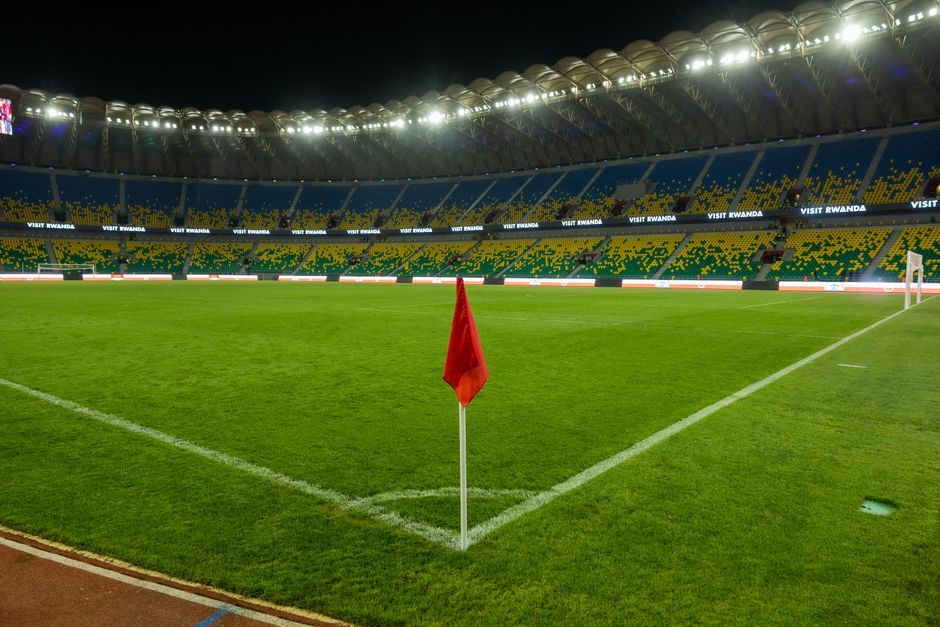
Under 9.5 corners is a football betting market based on the total number of corner kicks in a match. A bet on this selection wins if the game produces nine or fewer corners in total. It loses if the match reaches 10 or more corners.
The line applies to the combined corner count for both teams unless the bookmaker specifically labels the market as a team-corners bet. The “.5” removes the possibility of a tie, so there is no push or stake refund on a standard under 9.5 corners selection.
How under 9.5 corners is settled
Suppose a match finishes with the following corner counts:
- Home team: 4 corners
- Away team: 5 corners
- Total: 9 corners
The under 9.5 bet wins because the combined total is below 10. If the teams record 6 and 4 corners, the total is exactly 10 and the bet loses. The final score does not determine the result directly; only the settled corner count matters.
In most standard match markets, corners awarded during regulation time are included. Extra time may be excluded or included depending on the bookmaker’s rules, while corners in a penalty shootout are generally not treated as match corners. A postponed or abandoned fixture can also have special settlement conditions, so the market rules should be checked before placing a bet.
What counts as a corner?
A corner is normally recorded when the ball crosses the goal line after touching a defending player, without entering the goal, and the referee awards a corner kick. The official match statistics used by the bookmaker usually determine settlement.
Several events do not automatically count as corners:
- A shot that goes directly over the goal without a defending touch.
- A goal kick awarded after the ball crosses the goal line.
- A corner that is awarded but later cancelled by the referee following a review.
- A set piece taken after the final whistle, unless the competition and bookmaker rules allow it.
Disputes can arise when live data providers temporarily display a different number from the official record. For that reason, the bookmaker’s stated statistical source and settlement policy are more authoritative than an app or broadcast graphic.
Under 9.5 corners compared with other corner lines
The difference between nearby totals can affect both the risk and the price of a bet. Under 8.5 corners requires eight or fewer corners, while under 10.5 corners wins with 10 or fewer. Under 9.5 sits between these two thresholds and wins with a total from zero through nine.
This is different from an Asian corners line such as under 9.0. With a whole-number line, exactly nine corners may result in a push, depending on the market rules, while totals above or below the line determine a win or loss. A 9.5 line has no exact-line refund because a match cannot finish with 9.5 corners.
Team-corner markets also use different calculations. “Home team under 4.5 corners” concerns only the home side, whereas “match under 9.5 corners” combines both teams. Confusing these markets can lead to an incorrect reading of the selection.
What can influence the total corner count?
Corner statistics are shaped by match tactics, territory, shot volume, defensive blocks, and the scoreline. A team that attacks through wide areas and sends frequent crosses may create more corners. A side defending a lead may allow pressure and clear the ball behind its own goal line, also increasing the total.
The game state can change the pattern. A team trailing late in the match may attack more aggressively, producing additional crosses and blocked shots. Conversely, an early lead may encourage slower possession or a more defensive approach. These are useful football considerations, but they do not make the outcome predictable.
Historical corner averages can provide context, but they should not be treated as a guarantee. Averages may be affected by different opponents, line-ups, injuries, weather, tactical changes, and the small sample size of recent matches. Head-to-head corner data can also be less useful if the teams have changed managers or playing styles.
Common misunderstandings about under 9.5 corners
One misconception is that a low-scoring match will automatically produce few corners. A 0–0 game can still contain many attacks and blocked shots, while a match with several goals may have a modest corner total. Goals and corners are related to attacking activity but are separate statistical outcomes.
Another mistake is assuming that corners shown during live coverage are final. Data may be corrected after a referee decision or statistical review. Live bets also have additional timing and suspension rules, which can differ from pre-match markets.
Finally, under 9.5 corners is not the same as predicting which team will have more corners. It is a total-points market: the combined number matters, not the balance between the two sides.
Reading the market responsibly
The odds represent the bookmaker’s assessment of the probability after its margin is included; they do not guarantee that a line is likely to win. Before betting, confirm whether the market covers the full match, whether extra time counts, which data source settles the result, and how abandoned matches are handled.
Corner betting should be treated as a form of gambling rather than a reliable way to make money. Use only money that can be lost, avoid chasing losses, and follow the legal age and betting requirements in your location.