
Second-Half 1X2 Betting Meaning Explained
Learn what second-half 1X2 means in football betting, how the market is settled, and how it differs from a full-match result bet.
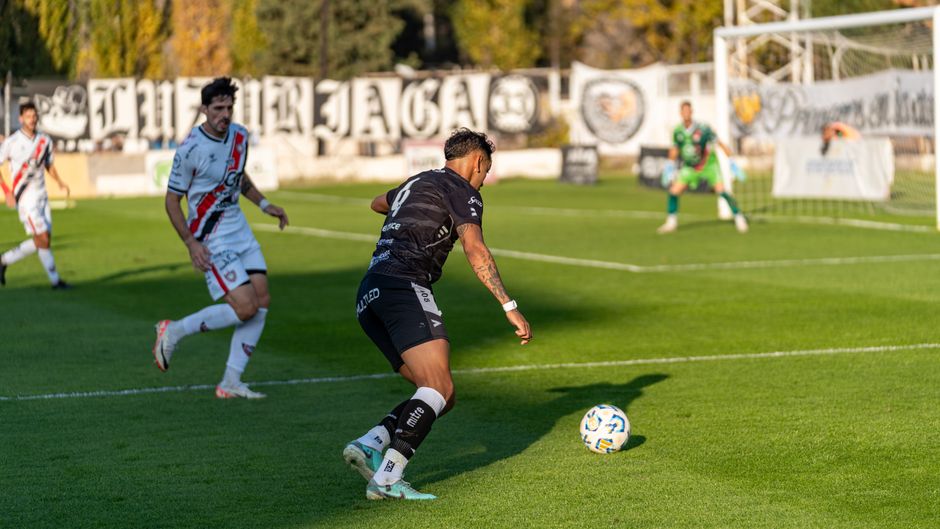
The score at half-time can completely change the shape of a football match, but a second-half 1X2 bet treats the opening 45 minutes as a separate story. It asks only what happens after the interval: does the home team win the second half, is the second-half score a draw, or does the away team outscore its opponent?
What does second-half 1X2 mean?
Second-half 1X2 is a football betting market based on the result of the second half alone. The usual symbols have these meanings:
- 1 – the home team scores more goals than the away team during the second half.
- X – both teams score the same number of goals during the second half.
- 2 – the away team scores more goals than the home team during the second half.
For settlement, the second-half score is calculated independently from the first-half score. If a match is 1–0 at half-time and the second half ends 2–1, the second-half result is a draw because both teams scored once after the break. The full-time score, 3–1, does not determine this market.
How second-half 1X2 bets are settled
Imagine a fixture with a 0–0 half-time score. The home side then scores twice after the interval while the visitors fail to score. The second-half result is 1, regardless of the match’s final scoreline.
Now consider a different example. The home team leads 2–0 at half-time, but the second half finishes 1–1. A second-half 1X2 bet on X wins, even though the home side wins the match 3–1. The market measures goals in the selected period, not the overall winner.
Goals scored in the first half are therefore ignored when the bookmaker settles a second-half result bet. Goals added in stoppage time at the end of the second half are normally included, but the bookmaker’s rules should always be checked for the specific market.
Second-half 1X2 compared with full-time 1X2
Full-time 1X2 predicts the result across the entire match: home win, draw, or away win. Second-half 1X2 predicts only the scoring result from half-time until the match ends.
| Market | What it measures | Example settlement |
|---|---|---|
| Full-time 1X2 | The complete match | A 3–1 final score is a home win |
| Second-half 1X2 | Goals after half-time | A 1–1 second half is a draw |
This distinction explains why a team can win the match but lose the second-half 1X2 market. For instance, a side that leads 3–0 at the interval and concedes twice after the break still wins the match, while the second-half result is an away win.
How it differs from second-half double chance and handicaps
Second-half 1X2 offers three separate outcomes, including a draw. A second-half double-chance market combines two outcomes, such as home team or draw, and is usually priced differently. A second-half handicap adjusts the scoring margin before the market is settled, so it is not the same as simply selecting 1, X, or 2.
It is also different from a second-half total goals bet. Over 1.5 second-half goals asks how many goals are scored after the interval, while second-half 1X2 asks which team has the higher second-half score or whether the scores are level.
What can influence a second-half result?
Second-half markets can be affected by the half-time score, tactical changes, substitutions, injuries, red cards, fatigue, and the urgency created by the competition situation. A team protecting a narrow lead may attack less aggressively, while a side chasing the game may commit more players forward and leave space in defence.
Those factors do not make the outcome predictable. They simply explain why second-half odds may move after half-time and why the market should be read separately from the pre-match result. A strong first-half performance is not proof that the same team will win the second half.
Common mistakes with second-half 1X2
- Using the final score as the settlement result: the bookmaker uses only goals scored after half-time.
- Confusing 1 with an overall home win: 1 means the home team wins the second-half scoring period.
- Assuming X means no goals: X includes any equal second-half score, such as 0–0, 1–1, or 2–2.
- Mixing it up with half-time/full-time betting: that market predicts two match results, while second-half 1X2 covers only the latter period.
- Ignoring bookmaker rules: treatment of abandoned matches, postponed fixtures, and stoppage time can vary by operator.
Reading the market carefully
Before placing a bet, confirm that the selection is labelled “second half,” “2nd half,” or similar rather than full match or half-time. Check whether the market is based on regular time only and read the operator’s settlement terms, particularly for abandoned matches and unusual interruptions.
Understanding the wording is only one part of responsible betting. Odds are probabilities expressed in price, not guarantees, and every selection carries risk. Set a budget before betting, avoid chasing losses, and use local legal and support resources if gambling stops feeling controlled.