
First-Half Corners Betting Explained: Markets, Rules and Strategies
Learn how first-half corners betting works, including over and under lines, team corner markets, Asian lines, settlement rules, statistics and responsible ways to assess a wager.
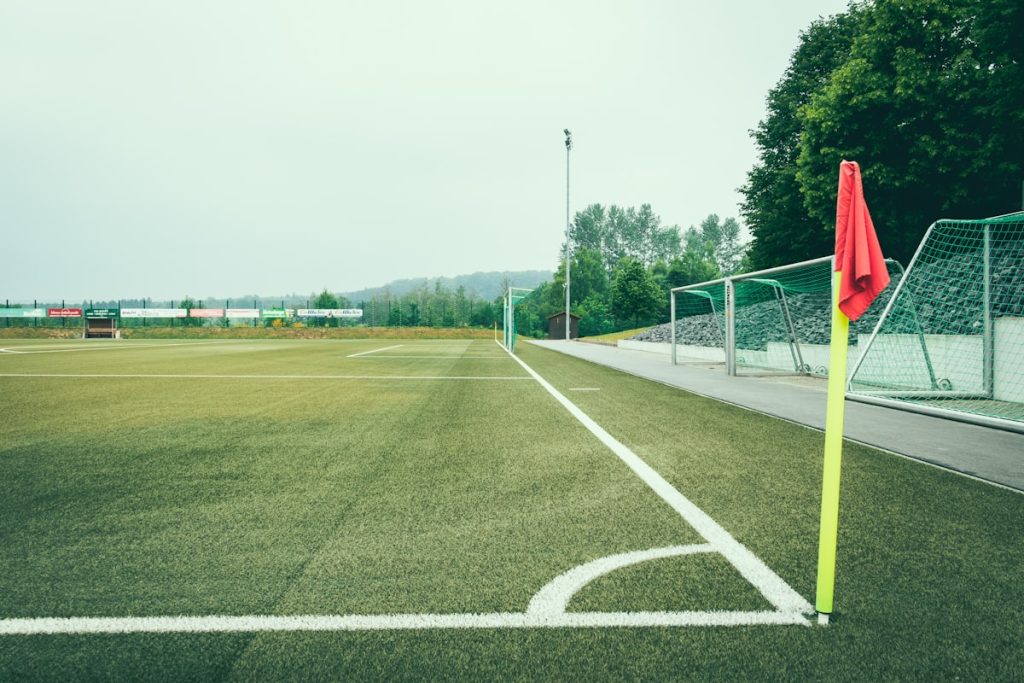
First-half corners betting focuses only on corner kicks awarded during the opening 45 minutes plus stoppage time. Bookmakers offer several markets, including total corners, team corners, corner handicaps and exact corner counts. Understanding how each market is settled is essential before comparing odds or placing a wager.
What first-half corners betting means
A first-half corners market is settled using corners awarded in the first half of a football match. A corner awarded before half-time normally counts even if it is taken after the referee has signalled the end of the half, but the exact rule depends on the bookmaker. Extra-time periods do not count because they are outside the match’s first half.
The most common option is the first-half total corners market. For example, an over 4.5 line wins if at least five corners are awarded before the interval, while an under 4.5 line wins if there are four or fewer. Half-goal lines avoid a draw or push, but other markets may use whole-number lines.
Common first-half corner markets
Over and under first-half corners
This market asks whether the match will produce more or fewer corners than the bookmaker’s line. Common alternatives include over or under 3.5, 4.5, 5.5 and 6.5 first-half corners. The higher the line, the more corner activity is required for an over bet to succeed.
Team first-half corners
Team corner bets apply the same idea to one side rather than the whole match. A bet on a team to record over 2.5 first-half corners requires that team to win at least three corners before half-time. This can be useful when one team’s attacking profile is more relevant than the expected match total.
First-half corner handicap
A corner handicap gives one team a virtual advantage or disadvantage. If a team is listed at -1.5 corners, it must finish the first half at least two corners ahead of its opponent for the bet to win. Handicap markets are settled on corner counts, not goals or the final result.
Correct first-half corner count
Some bookmakers offer exact totals, such as 0–2, 3–4 or 5–6 corners in the first half. These selections can have attractive prices but cover a narrower range of outcomes. Check whether the market uses individual numbers or grouped bands before betting.
How to assess a first-half corners bet
Recent corner statistics can provide context, but they should not be treated as a prediction by themselves. Compare a team’s first-half corners for and against, home and away splits, recent opponents and the number of matches in the sample. A short run of unusually high or low totals may not represent the team’s normal attacking pattern.
- First-half corner averages: Separate first-half figures from full-match corner averages, since second-half pressure can significantly change the total.
- Attacking style: Wide attacks, crosses, blocked shots and sustained possession in the final third can create more corners.
- Opponent behaviour: A defensive team may allow pressure and clear the ball behind, while another opponent may reduce the attacking team’s possession.
- Home and away performance: Some teams generate more early pressure at home or defend deeper when playing away.
- Line movement: Compare the opening line with the current line, but do not assume a shorter price automatically represents better value.
- Team news: Missing wingers, full-backs, forwards or creative midfielders can change the expected attacking approach.
Match context also matters. A fixture between two sides that start aggressively may produce early pressure, while a match in which both teams are satisfied with a cautious opening may create fewer attacking sequences. Weather, pitch conditions and the importance of the result can affect the style of play, although none provides a guarantee.
First-half corners versus full-match corners
First-half corner betting is more sensitive to the opening game plan than a full-match market. A team may attack strongly early and then protect a lead, or it may increase its pressure only after half-time. Full-match corner statistics can therefore be misleading when assessing an opening-half line.
First-half markets also have less time for an unusual pattern to correct itself. One early corner can have a larger effect on an over or under bet than it would on a 90-minute total. This makes the selected line, price and statistical sample especially important.
Settlement rules to check before betting
Bookmakers do not always phrase corner rules identically. Read the market terms for the treatment of corners awarded but not taken, abandoned matches, postponed fixtures, neutral venues and matches that are shortened or suspended. Confirm whether the market is based on official data and whether a replay or continuation affects settlement.
Asian corner lines may return a full win, half win, push, half loss or full loss depending on the line and final corner count. For example, a total of 5.0 corners may be refunded if exactly five corners are recorded, while a 5.5 line has no push outcome. The odds display and rules should make this distinction clear.
Managing risk with corner bets
Corner markets can be volatile because a small number of attacking passages may decide the result. Set a budget before betting, use only money that can be lost without affecting essential expenses and avoid increasing stakes after a losing bet. A record of selections, prices, lines and results can show whether an approach is genuinely performing rather than relying on memorable wins.
Statistics describe past matches, not guaranteed future outcomes. If betting stops being controlled or enjoyable, take a break and use the responsible-gambling tools provided by the bookmaker or a recognised support service in your country.