
Last Corner Betting Meaning: How the Market Works
Learn what last corner betting means, how the market is settled, what happens if there are no more corners, and which rules can vary between bookmakers.
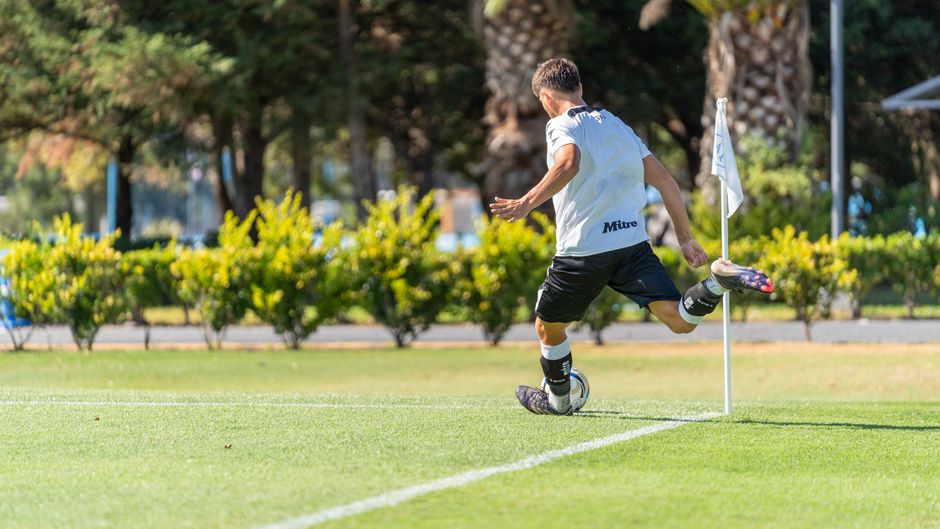
Last corner betting means predicting which team will win the final corner awarded in a football match. The market usually offers two selections: the home team or the away team. Some bookmakers may also include a draw option, depending on their rules and the competition.
This is different from betting on the total number of corners or the team to win the most corners. The result is based only on the final corner recorded by the bookmaker, not on the scoreline or the team that created more attacking pressure during the match.
How last corner betting works
A bookmaker lists the market before kick-off or during the match. You choose the team expected to take the last corner, and your bet wins if that team is awarded the final corner of the game.
For example, suppose a match finishes with 11 corners:
- The first team takes corners one through six.
- The second team takes corners seven through 11.
- The second team wins the last corner betting market because it was awarded corner number 11.
The corner does not need to produce a shot, goal or clear chance. It only needs to be officially awarded and recorded under the bookmaker’s settlement rules. A corner awarded in stoppage time can therefore decide the market, even if the match appears to be finished.
What counts as the last corner?
The final corner is normally the last corner awarded during the match, including added time at the end of either half. A corner that is awarded but not taken may be treated differently from a corner that is taken, so the bookmaker’s specific rules matter.
Other details can affect settlement:
- Abandoned matches: many bookmakers void the market unless the required playing time has been completed.
- Postponed matches: a bet may be cancelled or transferred, depending on the operator and market terms.
- Extra time: standard match markets often cover 90 minutes plus stoppage time only. Markets for cup matches may state whether extra time counts.
- Corner awarded after the final whistle: the timing and official data feed may determine whether it qualifies.
- Data corrections: bookmakers can sometimes amend a result if the official match statistics are corrected.
Because rules are not identical everywhere, check the market’s settlement section before placing a bet. This is especially relevant for live betting, where different feeds can briefly show different corner counts.
Last corner betting compared with other corner markets
The phrase can be confused with several related football betting markets. Each one asks a different question:
- Last corner: which team takes the final corner?
- First corner: which team takes the opening corner?
- Most corners: which team has the higher total at full time?
- Total corners: will the match produce more or fewer corners than a stated line?
- Next corner: which team will be awarded the next corner during a live match?
A team can win the most corners but lose the last corner market. For instance, it might lead 8–3 in total corners but concede the final corner in stoppage time. The two markets measure different events and should not be treated as interchangeable.
What can influence the final corner?
There is no reliable way to know in advance which team will take the last corner, but match context can affect the chances. A losing team may attack late and send more crosses into the penalty area. A side protecting a narrow lead may defend deeply, allowing pressure and set pieces.
Useful factors to consider include each team’s corner rate, attacking style, crossing frequency, possession pattern and likely approach at the current score. Substitutions, injuries, red cards and the amount of stoppage time can also change the late flow of a match.
These factors are not guarantees. The last corner can result from a deflection, a blocked cross or a single late attack, so the market contains considerable randomness. Recent corner statistics may describe a team’s general tendencies without predicting one specific final event.
Common questions about last corner bets
Does the last corner market include stoppage time?
Usually, yes, if the market is based on the full match. However, the bookmaker’s rules take priority. Some in-play markets may use a defined period or a specific data source.
What happens if there are no corners?
If no corner is awarded, the market is commonly void, although the exact treatment depends on the operator. A draw selection may appear in some versions of the market, but it should not be assumed to be available everywhere.
Is last corner betting the same as next corner betting?
No. Next corner betting is settled when the next corner occurs, while last corner betting remains open until the match’s final corner has been identified. The latter is normally a pre-match or late-match outcome market.
Can a last corner bet be placed after the final corner?
No legitimate market should accept a bet after the relevant event has already occurred. Live betting may be suspended while a corner is being reviewed or processed, so displayed odds are not always immediately available.
Responsible use of football corner markets
Last corner bets are short-event markets, and their outcome can depend on a single deflection or late attack. They should not be treated as a dependable source of income. Set a budget before betting, avoid chasing losses and check the minimum age and gambling rules that apply where you live.
Understanding the last corner betting meaning helps prevent a common mistake: assuming the market concerns the team with the most corners. It concerns only the final officially recorded corner, with settlement determined by the bookmaker’s published rules.