
Under 3 Goals Meaning: How the Betting Line Works
Under 3 goals is an Asian total that wins with two or fewer goals, pushes at exactly three, and loses with four or more. Learn how the line is settled and how it differs from under 2.5.
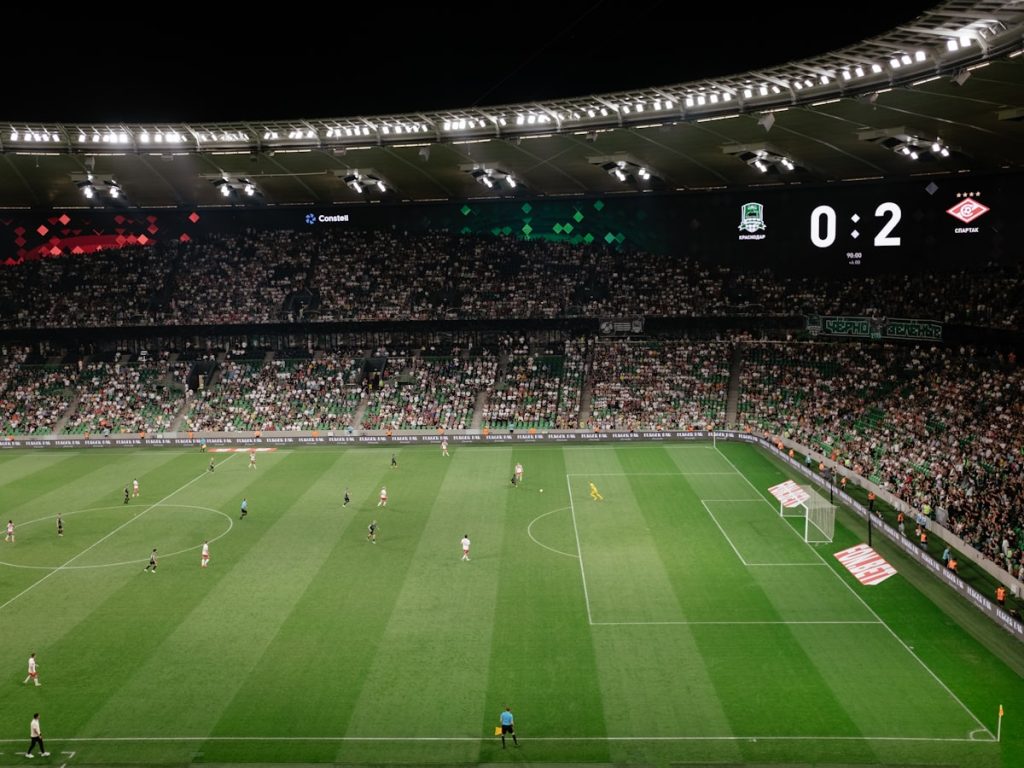
A match ending 2–1 can produce a very different result from one finishing 2–0, even though both scorelines contain three goals. That difference explains the meaning of an under 3 goals bet: exactly three goals usually lead to a refund rather than a win or loss.
What does under 3 goals mean?
Under 3.0 goals is an Asian total goals market. You are betting that the combined number of goals scored by both teams will stay below three during the bookmaker’s stated settlement period, usually regular time.
- 0, 1 or 2 total goals: the under 3 bet wins.
- Exactly 3 total goals: the bet is void, and the original stake is returned.
- 4 or more total goals: the under 3 bet loses.
For example, 0–0, 1–0, 1–1 and 2–0 all finish below the line. A 2–1, 3–0 or 1–2 result reaches exactly three goals and normally creates a push. Scorelines such as 3–1, 2–2 and 4–0 go over the line.
Why exactly three goals means a refund
The number 3.0 is a whole-goal Asian line. Unlike a standard half-goal market, it has a middle outcome. If the final total lands directly on the quoted line, there is no winning or losing margin, so the wager is cancelled and the stake is returned.
This is different from under 2.5 goals. With that market, there is no refund point: two goals or fewer win, while three or more lose. A bettor choosing under 3.0 therefore receives protection against a match that finishes with exactly three goals, although the odds may be lower than the price for under 2.5.
| Final goal total | Under 3.0 result | Under 2.5 result |
|---|---|---|
| 0–2 | Win | Win |
| 3 | Stake returned | Lose |
| 4 or more | Lose | Lose |
How under 3 goals is settled
Most football bookmakers count goals scored by both sides in the match, not just the team selected in a match-winner market. A 1–1 draw contains two total goals, so under 3.0 wins. A 2–1 home win contains three, so the wager is generally void.
Check the market rules before placing a bet. Many operators settle football totals over 90 minutes plus stoppage time and exclude extra time and penalty shootouts. Cup matches can be presented differently, however, and some markets explicitly include extra time. The wording beside the selection determines how the bet is treated.
Postponements, abandoned matches and unusual settlement situations can also be covered by separate bookmaker rules. The displayed price does not tell you whether extra time counts, so the settlement section is worth checking when the fixture is a knockout match.
Examples using common match scorelines
Imagine a bet on under 3.0 goals in a league fixture:
- 0–0: two teams combine for no goals, so the bet wins.
- 2–0: the total is two, so the bet wins.
- 2–1: the total is three, so the stake is returned.
- 3–1: the total is four, so the bet loses.
The refund outcome affects returns in a multiple bet as well. If a selection is voided, many bookmakers remove that leg from the accumulator and recalculate the odds using the remaining selections. Rules can vary for different bet types, so a single under 3.0 selection and a combination bet should not be assumed to settle identically in every account.
Under 3.0, under 2.75 and other goal lines
Asian goal markets can use quarter-goal lines such as under 2.75. That stake is split between under 2.5 and under 3.0. If the match has exactly three goals, the under 2.5 half loses while the under 3.0 half is refunded, producing a partial loss rather than a complete one.
That structure makes the decimal number meaningful. Under 3.0 has one clear refund point; under 2.75 combines two neighbouring lines; under 2.5 has no push result. Understanding the line is more useful than judging a bet by the word “under” alone.
What to check before placing the bet
Confirm the total-goals definition, the time period covered, the treatment of abandoned games and the rules for void selections. Then compare the line with the price: under 3.0 gives more room than under 2.5, but a match reaching four goals still loses the wager. Betting should remain within a fixed budget, and no goal line removes the uncertainty of football.